
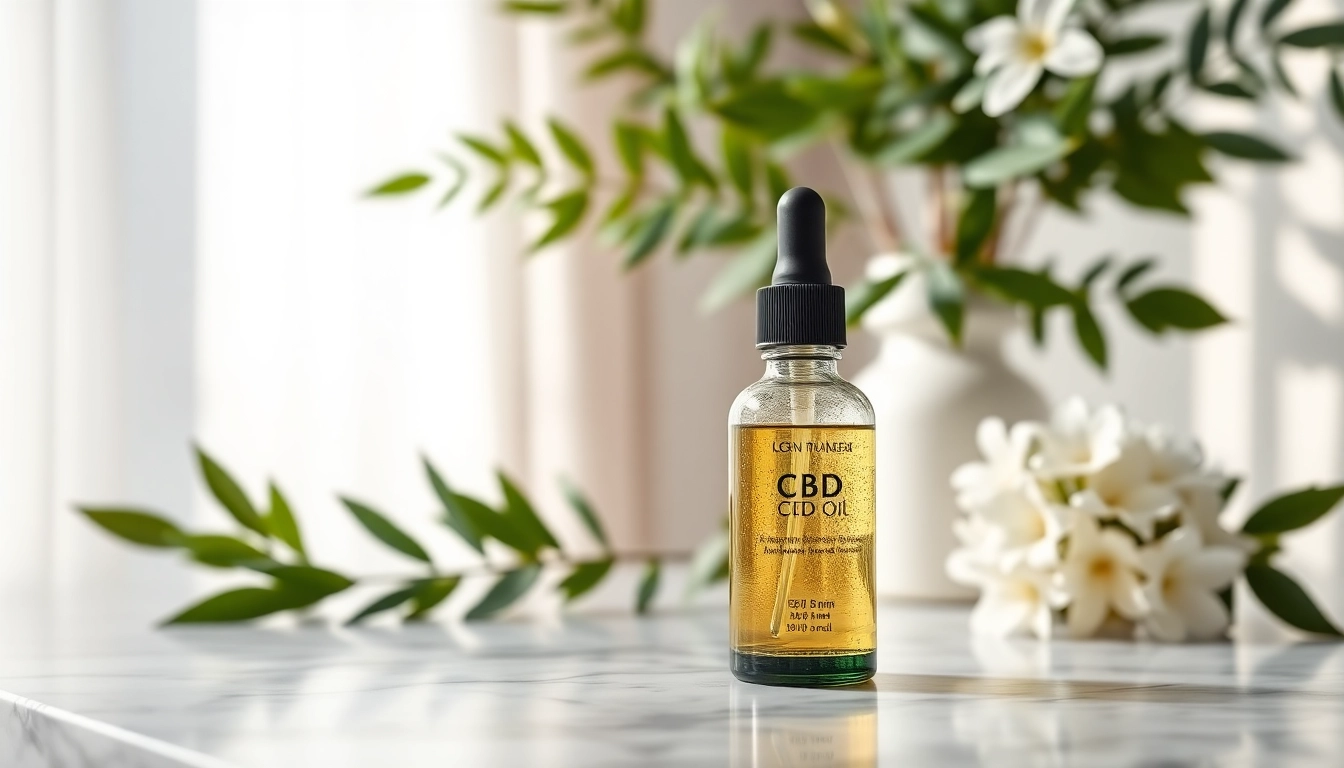
Understanding CBD Oil for Skin: A Natural Solution
In recent years, interest in the use of CBD oil for skin has surged, fueled by claims of its multiple healing benefits and effectiveness as a natural skincare remedy. Derived from the hemp plant, CBD oil is increasingly being incorporated into beauty and skincare products, sparking curiosity among consumers regarding its potential in addressing various skin concerns.
What is CBD Oil?
CBD, short for cannabidiol, is one of the many compounds (cannabinoids) found in the cannabis plant. Unlike THC (tetrahydrocannabinol), the primary psychoactive component that induces a 'high,' CBD is non-psychoactive. This unique characteristic allows it to harness potential therapeutic benefits without altering the user's mental state. Extracted primarily from industrial hemp, CBD oil can be processed into various forms—oils, creams, balms, and serums—making it versatile for multiple applications.
Benefits of CBD Oil for Skin
The benefits of CBD oil for skin are supported by an array of anecdotal evidence and emerging research. Notably, users have reported improvements in skin hydration, elasticity, and overall appearance when using CBD-infused products. Specifically, CBD is recognized for:
- Anti-inflammatory properties: CBD may help reduce inflammation, providing relief for conditions such as acne, eczema, and psoriasis.
- Antioxidant effects: The oil protects the skin while also neutralizing free radicals, which can lead to signs of aging.
- Hydrating properties: CBD's ability to enhance moisture retention can help alleviate dry skin.
- Balancing sebum production: For those with oily skin, CBD has shown promise in regulating oil production, potentially aiding in the treatment of acne.
How CBD Oil Works on Skin Conditions
Understanding how CBD interacts with the skin is crucial in evaluating its effectiveness. CBD oil acts upon the endocannabinoid system (ECS), which plays a key role in regulating various physiological processes, including skin health. The ECS consists of cannabinoid receptors (CB1 and CB2) that are found throughout the body, including the skin. Activation of these receptors can lead to:
- Reduced inflammation and redness.
- Regulation of cell growth and differentiation, which can promote healthier skin turnover.
- Enhanced moisture retention through improved oil gland function.
Incorporating CBD Oil for Skin into Your Routine
Choosing the Right CBD Oil Products
With a myriad of CBD skincare products available, selecting the right one can be daunting. Key considerations include:
- Concentration of CBD: Products with higher concentrations may yield more pronounced results, but also come with higher price points.
- Ingredient quality: Opt for products that are tested for purity and quality. Look for third-party lab test results to ensure authenticity and safety.
- Skin type compatibility: Different formulations are suitable for different skin types; whether it's oily, dry, or sensitive, choosing a product meant for your skin type is crucial.
Application Techniques for Maximum Effectiveness
To fully utilize the benefits of CBD oil, proper application techniques are crucial. Here are some effective methods:
- Patch testing: Always perform a patch test when trying new products to check for adverse reactions.
- Layering: Incorporate CBD oil as part of your skincare layering; it can be applied after serums but before the moisturizer.
- Targeted application: For specific concerns (e.g., acne spots or eczema patches), apply the oil directly to the affected area for focused treatment.
Daily vs. Weekly Use: Finding Your Balance
Determining the frequency of CBD oil application is often subjective and varies by individual skin type and conditions. For optimal results, consider the following:
- For persistent issues such as acne or eczema, daily use may provide more consistent results.
- For general skin health maintenance or anti-aging benefits, using CBD oil on a weekly basis could suffice.
- Monitor skin responses and adjust accordingly to prevent any potential irritation.
Common Misconceptions about CBD Oil for Skin
Is CBD Oil Safe for All Skin Types?
While many individuals can benefit from incorporating CBD oil into their skincare routines, it may not be suitable for everyone. Some factors to keep in mind include:
- Skin sensitivities: Individuals with specific allergic reactions to hemp or cannabinoids should avoid CBD products.
- Consultation recommended: It’s advisable to consult a dermatologist if you have existing skin conditions or are pregnant/breastfeeding.
Debunking Myths: CBD Oil and THC
A common misconception surrounding CBD oil is its association with THC. It's important to clarify:
- CBD is typically extracted from hemp, which contains negligible amounts of THC (0.3% or less), making it non-psychoactive.
- Products labeled as 'full-spectrum' may contain trace amounts of THC, but they are not potent enough to induce any high.
How CBD Oil Differs from Other Oils
Comparing CBD oil with other oils like coconut or argan oil highlights some key distinctions:
- CBD oil contains active cannabinoids that can benefit the endocannabinoid system, unlike many carrier oils that are simply emollients.
- CBD's potential therapeutic effects extend beyond hydration; it also addresses inflammation and skin healing.
CBD Oil for Skin: Conditions It Can Address
Acne Treatment with CBD Oil
A major benefit of CBD oil is its potential in treating acne. Studies have demonstrated its ability to:
- Reduce sebum production, potentially preventing clogged pores.
- Minimize inflammation and redness associated with active acne.
- Exhibit antibacterial properties that can combat acne-causing bacteria.
Eczema and Psoriasis Relief
For individuals suffering from eczema or psoriasis, CBD oil may offer the following benefits:
- Reducing itchiness and discomfort.
- Alleviating inflammation that can trigger flare-ups.
- Supporting skin barrier repair through enhanced hydration.
Anti-Aging Benefits of CBD Oil for Skin
Thanks to its antioxidant properties, CBD oil can play a key role in anti-aging skincare regimens. Its benefits include:
- Reducing the appearance of fine lines and wrinkles.
- Improving skin elasticity and firmness.
- Protecting against environmental stressors such as UV rays and pollution.
Measuring the Impact of CBD Oil on Skin Health
Skin Health Metrics: How to Evaluate Progress
To gauge the effectiveness of CBD oil in your skincare routine, consider tracking the following metrics:
- Visible improvements in skin texture and tone.
- Reduction in acne breakouts or other skin conditions.
- Improved hydration levels—noticeable softness and elasticity.
When to Consult a Dermatologist about CBD Oil
While CBD oil can offer various benefits, seeking professional advice is crucial when:
- Experiencing persistent skin issues that do not improve with CBD use.
- Noticing unusual skin reactions or side effects after application.
- Considering a new skincare regimen if you are pregnant or have underlying health conditions.
Future Research and Trends in CBD Oil for Skin
The field of CBD research for skincare is rapidly evolving. Ongoing studies are expected to yield deeper insights into:
- The long-term effects of CBD use on skin health.
- Potential synergies between CBD and other active ingredients in skincare.
- Growing acceptance of CBD in the cosmetic industry and its integration into mainstream products.