The Evolution of Cannabis Legislation in Germany
The landscape of cannabis legislation in Germany has undergone significant transformation, especially as we approach 2026. Historically, cannabis was classified strictly as a controlled substance, with stringent penalties for possession and use. However, recent developments indicate a pivot towards a more progressive approach, with a focus on personal cultivation and medical use. As of April 1, 2024, cannabis for personal use became legal, allowing adults over 18 to cultivate their own plants and possess limited quantities. This evolution reflects a broader shift in societal attitudes, particularly in urban centers like Munich. When exploring options, Weed Munich provides comprehensive insights into navigating this new landscape.
History of Cannabis Laws in Germany
The history of cannabis laws in Germany dates back several decades. Initially, the 1972 Narcotics Act created a framework for controlling all drugs, including cannabis. By the 1990s, public opinion began to shift, and debates emerged around decriminalization and medical cannabis. In 2017, Germany legalized medical cannabis, a significant milestone that paved the way for further reforms. Despite the progress, the recreational use of cannabis remained illegal until the landmark decision in 2024, signaling a turning point in German drug policy.
Recent Changes and Future Outlook for 2026
As we look towards 2026, the regulatory environment surrounding cannabis in Germany is expected to continue evolving. The recent legalization has led to discussions about establishing cannabis clubs where members can cultivate and share their crops. These clubs aim to create a community-oriented approach, allowing enthusiasts to enjoy cannabis in a legal setting. Furthermore, public health campaigns will likely accompany these changes, focusing on responsible consumption and harm reduction strategies.
Comparison with Other Countries' Cannabis Laws
Compared to other countries that have embraced cannabis legalization, Germany's approach is unique. In contrast to Canada, which fully legalized cannabis for recreational use in 2018, Germany's model appears more cautious, emphasizing personal cultivation over commercial sales. Additionally, while the Netherlands has long been known for its coffee shop culture, Germany seems to be moving towards a structured and regulated framework that balances personal freedom with public health considerations.
Understanding Cannabis Culture in Munich
Munich is at the forefront of Germany's evolving cannabis culture, with a vibrant community that reflects the city's open-mindedness. The legalization of personal cannabis use has not only influenced societal attitudes but has also spurred the emergence of various cannabis-related businesses and events. Local residents and tourists alike are becoming more curious and engaged with this new cultural phenomenon.
Local Attitudes towards Cannabis Use
In Munich, attitudes towards cannabis have shifted considerably since legalization. Many locals view cannabis as a natural product, akin to alcohol, and see its benefits for relaxation and enjoyment. Surveys indicate a growing acceptance of cannabis use, particularly among younger demographics. However, there remain conservative factions within the city that emphasize the need for responsible use and caution against potential health risks associated with recreational consumption.
The Rise of Cannabis Cafés in Munich
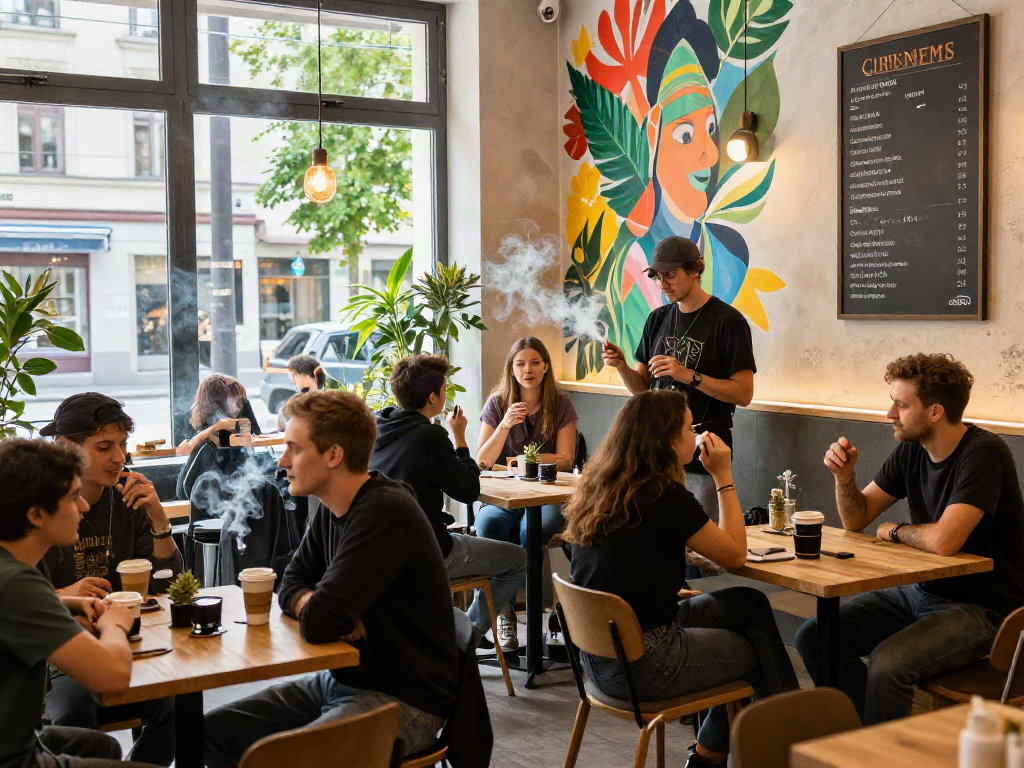
The concept of cannabis cafés is gaining traction in Munich, mirroring trends in other parts of Europe. These venues allow individuals to enjoy cannabis in a social environment, often accompanied by food and beverages. Establishments in neighborhoods like Schwabing and Glockenbachviertel are becoming popular hotspots where enthusiasts can gather, share experiences, and learn from one another. These cafés not only enhance the social aspect of cannabis culture but also play a role in educating consumers about responsible consumption practices.
Community Events and Social Gatherings
As the cannabis culture continues to grow, Munich hosts a variety of community events and gatherings aimed at promoting awareness and acceptance. From cannabis fairs to educational workshops, these events provide platforms for discussion, networking, and collaboration among enthusiasts. Notable festivals include the Munich Cannabis Fair, which showcases local products, and discussions about the future of cannabis in German society. These gatherings are instrumental in building a sense of community and fostering informed discourse about cannabis.
Health and Safety in Cannabis Consumption
With any substance, understanding the health implications of consumption is crucial. As cannabis becomes more accessible, it is essential for users to be informed about both the benefits and risks involved in its use.
Risks and Benefits of Consuming Cannabis
Research on cannabis has revealed a complex range of effects. On the one hand, many users report positive outcomes such as relaxation, pain relief, and enhanced creativity. Medical cannabis has been shown to alleviate symptoms for conditions like chronic pain, anxiety, and epilepsy. However, potential risks include dependency, mental health challenges, and impaired cognitive function, especially in younger users. It is vital for consumers to educate themselves on both the pros and cons to make informed decisions.
Guidelines for Responsible Use
As cannabis use becomes normalized, guidelines for responsible consumption are more relevant than ever. Key recommendations include:
- Start Slow: Beginners should start with low doses to gauge their tolerance.
- Stay Informed: Research different strains and their effects before use.
- Avoid Mixing: Combining cannabis with alcohol or other substances can increase risks.
- Seek Medical Advice: For individuals considering cannabis for medicinal purposes, consult a healthcare provider for guidance.
Medical Use of Cannabis: What You Need to Know
For those considering medical cannabis, understanding the legal framework and procedures is essential. Patients must obtain a prescription from a certified physician to access cannabis through pharmacies. The legalization of medical use has provided patients with new avenues for treatment, but they must be informed about the specific strains and dosages that are effective for their conditions. Regular follow-ups with healthcare professionals ensure that users can discuss their experiences and adjust their treatment plans accordingly.
Finding Quality Cannabis Products in Munich
As the cannabis market in Munich expands, finding quality products becomes a priority for users. With various shops and dispensaries emerging, consumers need to navigate this new landscape effectively.
Top Cannabis Shops and Dispensaries
Some of the top-rated cannabis shops and dispensaries in Munich include:
- Elvira Apotheke: Known for its selection of medical cannabis and knowledgeable staff.
- High Times: A popular shop offering both recreational and medicinal options with a range of strains and accessories.
- Green Leaf: Focused on organic and sustainable options, appealing to environmentally-conscious consumers.
Online Resources for Cannabis Users
Online platforms serve as valuable resources for cannabis users seeking information, community support, and product reviews. Websites dedicated to cannabis culture provide insights on strains, consumption methods, and legal updates. Social media groups also facilitate discussions and pave the way for networking among cannabis enthusiasts.
How to Choose the Right Strain for You
Choosing the right cannabis strain can significantly impact the user experience. Factors to consider include:
- Desired Effects: Whether seeking relaxation, creativity, or pain relief.
- THC/CBD Ratio: Understanding the cannabinoid profile helps target specific needs.
- Terpene Profile: The aroma and flavor can influence the overall experience.
Consulting with knowledgeable staff at dispensaries can aid in selecting strains that align with personal preferences and needs.
Future Trends in the Cannabis Industry in Munich
The cannabis industry in Munich is poised for growth, driven by evolving consumer demands and regulatory changes. As we look ahead, several trends are likely to shape the market.
The Role of Technology in Cannabis Sales
Technology will play an increasingly pivotal role in the cannabis market. E-commerce platforms are set to expand, allowing consumers to access a wider range of products conveniently. Moreover, innovations in cultivation technology will enhance the quality and efficiency of cannabis production, catering to a growing consumer base.
Expert Predictions for the Cannabis Market by 2026
Experts predict that the cannabis market in Munich will see exponential growth beyond 2026, fueled by an increasing acceptance of cannabis culture and consumer demand for diverse products. The establishment of cannabis clubs and cafes will likely contribute to a robust market ecosystem, integrating social and economic aspects.
Impact of Regulations on the Industry's Growth
Regulatory frameworks will continue to shape the cannabis landscape, affecting everything from cultivation to retail. Policymakers will need to balance economic opportunities with public health considerations, ensuring that regulations foster a safe and responsible market while promoting entrepreneurship and innovation.
What’s Next for Cannabis Enthusiasts in Munich?
As Munich embraces its cannabis culture, enthusiasts can expect more events, community initiatives, and educational resources. Networking opportunities will flourish, empowering consumers to share insights and experiences. Furthermore, advancements in cannabis science will continue to inform best practices for consumption and health.
Are There Cannabis-Friendly Spaces for Tourists?
Tourists visiting Munich will find an increasingly welcoming environment for cannabis exploration. Cannabis cafés and community events provide spaces where visitors can engage with local culture while enjoying cannabis responsibly. This trend not only enhances the travel experience but also boosts the local economy through tourism.