
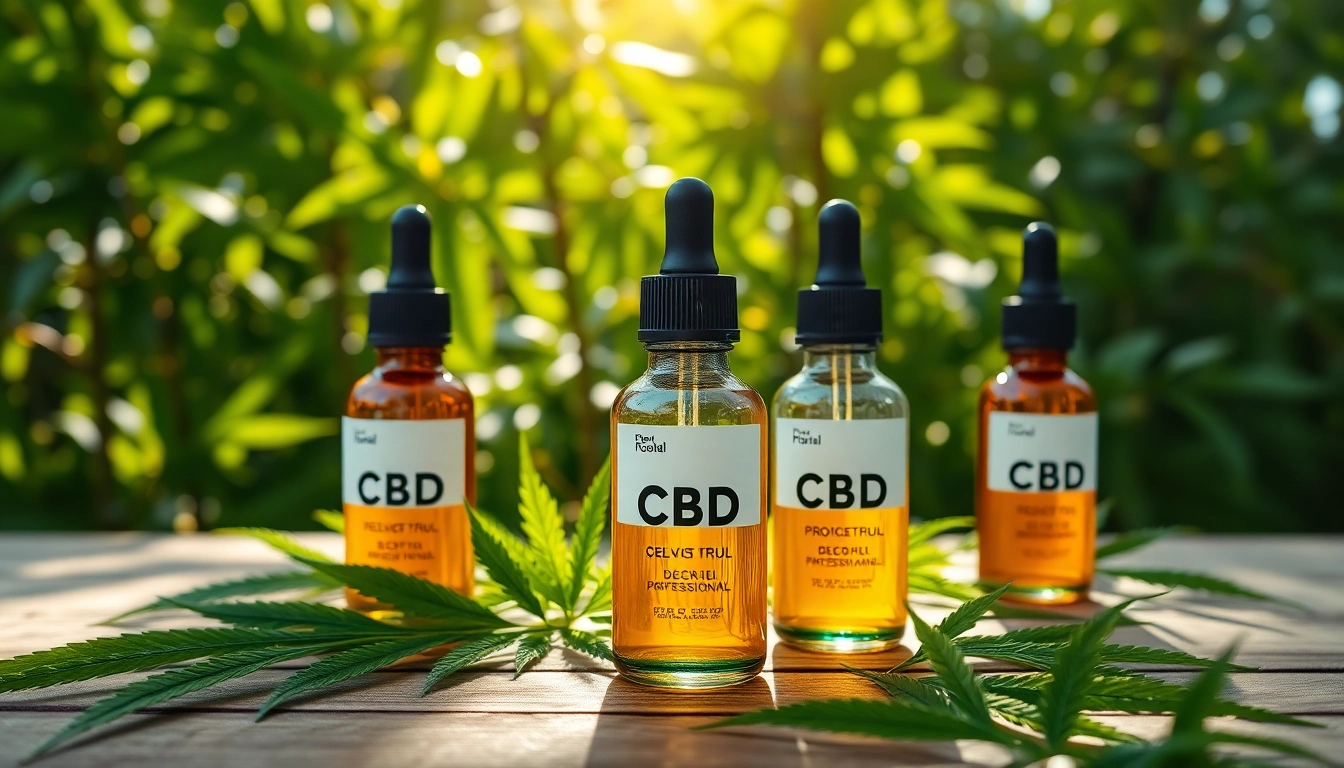
Understanding CBD Oil: What It Is and How It Works
The Basics of CBD Oil
Cannabidiol, commonly known as CBD, is one of the many compounds found in the cannabis plant. Unlike tetrahydrocannabinol (THC), the psychoactive component responsible for the “high” associated with marijuana, CBD is non-psychoactive. This quality has contributed to its growing popularity as a natural remedy for various health concerns. CBD Oil is created by extracting CBD from the cannabis plant and diluting it with a carrier oil, such as hemp seed oil or coconut oil. This method allows for easier consumption and absorption by the body.
The extraction process can influence the purity and efficacy of the oil, making it essential for consumers to know what to look for when browsing options. For those interested in the potential benefits of this compound, CBD Oil might offer a viable pathway to explore natural relief for certain health conditions.
How CBD Oil Interacts with the Body
CBD interacts with the endocannabinoid system (ECS), a complex cell-signaling system present in the body that helps maintain homeostasis. The ECS consists of receptors (CB1 and CB2) found throughout the body. When CBD is consumed, it binds to these receptors, influencing various physiological processes such as mood, pain sensation, immune system response, and even appetite regulation. This interaction is believed to be the root of the many health benefits attributed to CBD.
Types of CBD Oil Available on the Market
The market offers several types of CBD oil products catering to different preferences and needs:
- Full-Spectrum CBD Oil: Contains all of the cannabinoids, terpenes, and other compounds found in the cannabis plant, including up to 0.3% THC. This form takes advantage of the entourage effect, where the various components work together for enhanced benefits.
- Broad-Spectrum CBD Oil: Similar to full-spectrum but without THC. It still retains multiple cannabinoids and terpenes, making it a good option for those wishing to avoid THC completely.
- CBD Isolate: Pure CBD in powdered form, usually 99% pure. It is ideal for those who want to avoid any traces of THC or other cannabinoids.
Health Benefits of CBD Oil You Should Know
Potential Relief for Chronic Pain
Chronic pain affects millions and often leads to reduced quality of life. Research suggests that CBD can impact pain perception pathways in the brain and immune system to provide relief. Conditions such as arthritis, multiple sclerosis, and even fibromyalgia have been reported to improve with the use of CBD oil.
Notably, users have reported significant reductions in pain and inflammation levels. A study indicated that CBD may be effective in reducing pain related to certain inflammatory conditions, leading to improved mobility and quality of life for many folks.
Reducing Anxiety and Stress with CBD Oil
Anxiety is a common mental health disorder that can manifest in various forms, including generalized anxiety disorder, social anxiety, and panic attacks. CBD oil has garnered attention for its potential to alleviate these conditions due to its calming effects on the central nervous system. Studies indicate that CBD can alter brain receptors' response to serotonin, a neurotransmitter linked to mood regulation.
In clinical trials, patients taking CBD reported significant reductions in anxiety levels with minimal side effects, offering a natural alternative to prescription medications.
Other Therapeutic Uses of CBD Oil
The potential applications of CBD oil extend beyond pain relief and anxiety reduction. Research finds promising results in its ability to address various health issues:
- Epilepsy: The FDA has approved a CBD-derived medication for treating certain types of epilepsy, demonstrating its efficacy in controlling seizures.
- Sleep Disorders: CBD may assist in improving sleep quality by addressing underlying disturbances such as pain or anxiety that disrupt sleep patterns.
- Neuroprotective Properties: Studies suggest that CBD could play a role in neuroprotection, potentially benefitting conditions like Alzheimer's and Parkinson's Disease.
How to Choose the Right CBD Oil for Your Needs
Understanding Potency and Concentrations
When selecting a CBD oil, it's essential to consider the product's potency, which is typically measured in milligrams per milliliter (mg/ml). Higher concentrations may be required for severe health issues, while lower doses might suffice for mild conditions. It’s advisable to start with a lower potency and gradually increase the dosage until the desired effects are achieved.
Identifying Quality and Lab Testing
Quality assurance is vital when it comes to CBD oil. Reputable brands provide third-party lab tests confirming the product’s cannabinoid profile, ensuring it contains the stated amount of CBD and is free from harmful contaminants. Always look for products that publish their lab results, signifying a commitment to transparency and consumer safety.
Evaluating Different Formulations of CBD Oil
CBD Oil can come in various formulations, including tinctures, capsules, edibles, and topical applications. Each method of consumption has its advantages:
- Tinctures: Fast-acting and easy to dose.
- Capsules: Convenient for precise dosing but might take longer to take effect.
- Edibles: Discreet and tasty, though they can introduce additional sugars and calories.
- Topicals: Useful for targeting localized pain or skin conditions.
Safe Usage Guidelines for CBD Oil
Dosage Recommendations and Considerations
Determining the right dosage for CBD oil can be complex as it varies from person to person. Begin with a small dose (typically 5-10 mg) and gradually increase every few days based on how your body responds. Each individual may react differently depending on factors such as weight, metabolism, and the severity of their condition. Remember to keep a journal to track the effects and adjust as necessary.
Possible Side Effects of CBD Oil
Though CBD oil is generally considered safe, some people may experience side effects, including fatigue, changes in appetite, and gastrointestinal discomfort. Rarely, allergic reactions may occur. It is important to consult a healthcare professional before using CBD, especially if you are pregnant, nursing, or have existing health conditions.
Consulting Healthcare Providers Before Use
As the popularity of CBD oil continues to rise, seeking guidance from healthcare providers about its use is paramount. They can provide insight into interactions with medications and recommend appropriate dosages based on individual health profiles. Always keep your healthcare provider informed about any supplements you take, including CBD oil, to ensure safety and effectiveness.
Recent Research and Future Directions for CBD Oil
Current Studies on CBD Oil Efficacy
Scientific exploration of CBD oil continues to evolve, with numerous studies focusing on its efficacy for a range of conditions. Researchers are keen to explore its anti-inflammatory, analgesic, and neuroprotective properties. Ongoing clinical trials are expected to provide comprehensive data regarding dosages, methods of administration, and long-term effects, ultimately contributing to a deeper understanding of this compound.
Legal Status and Regulatory Changes Impacting CBD Oil
The legal status of CBD oil varies greatly across states and countries, influencing accessibility and market growth. In many regions, CBD oil derived from hemp (with less than 0.3% THC) is legal, whereas cannabis-derived CBD oil may have more stringent regulations. Staying informed about local laws is essential for compliant usage.
Innovations in CBD Oil Products and Formulations
As the industry grows, innovation in CBD oil products is on the rise. New formulations are entering the market, such as water-soluble CBD, which promises better bioavailability, and enhanced delivery methods like transdermal patches. Additionally, infused products like beverages and snacks are gaining traction, expanding consumer options while making CBD more accessible and enjoyable.