The Basics of Phone Gimbals
As the demand for high-quality mobile video content continues to rise, the importance of stabilization technology cannot be overstated. A phone gimbal is an essential tool for anyone looking to up their filming game, whether for vlogging, filmmaking, or capturing family moments. By understanding how these devices function, their key features, and the best practices for their use, you can dramatically improve the quality of your smartphone footage.
What is a Phone Gimbal?
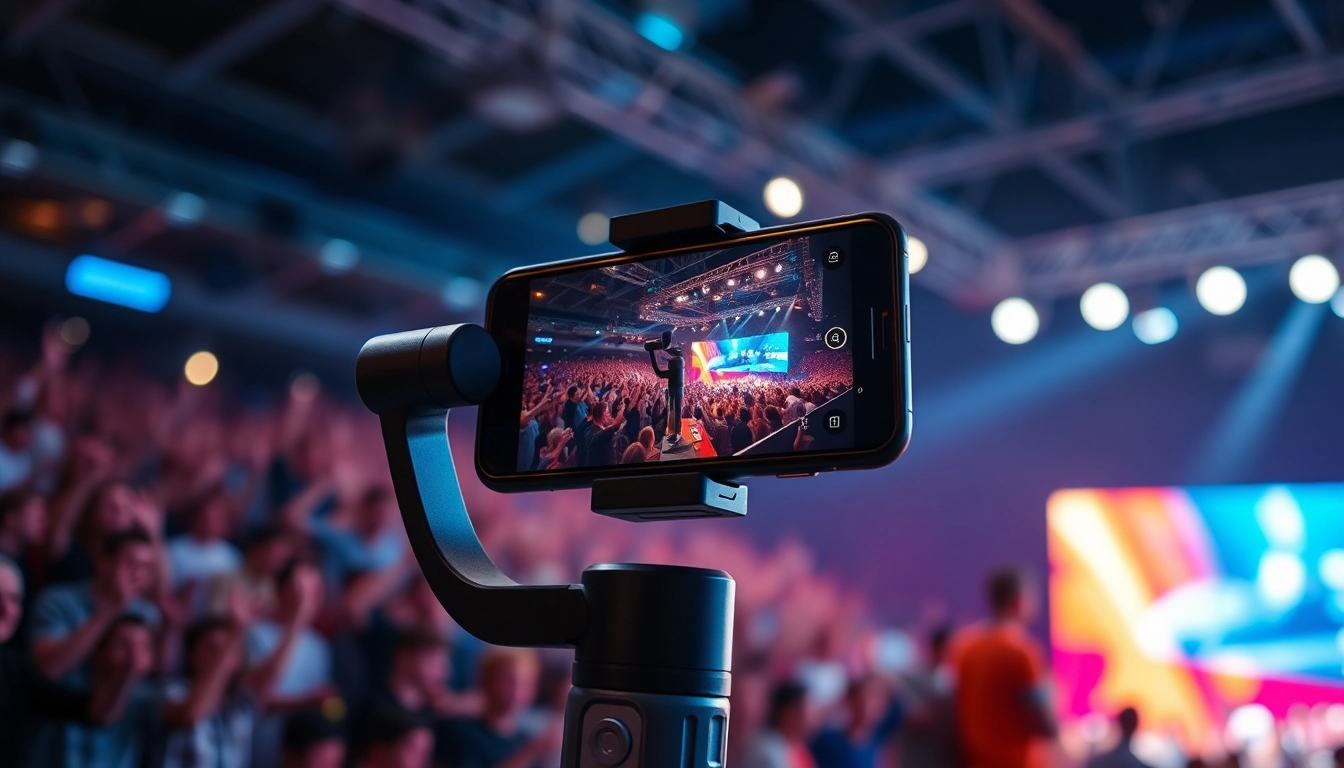
A phone gimbal is a handheld stabilizing device that employs motorized technology to keep your smartphone steady while filming. It compensates for the natural movements of your hands, eliminating unwanted shakes and jitters to produce smooth, professional-looking videos. Gimbals are essential for anyone who wishes to add a cinematic touch to their shots, whether you’re shooting dynamic scenes or executing slow-motion captures.
How Phone Gimbals Work
Phone gimbals utilize a complex arrangement of motors and sensors to achieve stabilization. These systems include three axes of control—pitch, yaw, and roll—which allow for fluid motion in multiple directions. The gimbal’s internal sensors detect any movement of the phone and adjust the motors in real-time to counterbalance those movements. This advanced technology results in remarkably stable footage, even in the most challenging conditions.
Key Features to Look For
- Battery Life: Look for a gimbal with extended battery performance to ensure it lasts through long shoots.
- Payload Capacity: Choose a model that can accommodate the weight of your smartphone, especially if you use additional accessories like external microphones or lights.
- App Integration: Many gimbals come with companion apps that enhance functionality, enabling features like object tracking, time-lapse, and panoramic shots.
- Ease of Use: A user-friendly interface and quick setup process are crucial for capturing spontaneous moments.
Choosing the Right Phone Gimbal
When selecting a gimbal, it’s essential to consider your specific needs and budget. With numerous models available in the market, understanding the differences between them can guide you to the right choice.
Types of Phone Gimbals Explained
Phone gimbals can be categorized into several types: portable handheld gimbals, which are lightweight and great for on-the-go shooting; and more robust models that may include tripod mounts and additional features for serious filmmakers. Consider how you plan to use the gimbal to determine which type best suits your shooting style.
Comparing Popular Models
Some of the most recognized phone gimbal brands include DJI, Hohem, and Zhiyun. The DJI Osmo Mobile 7 is known for its excellent stabilization and intuitive controls, making it ideal for both amateurs and professionals. The Hohem iSteady X3 is a highly portable option that offers impressive features at a budget-friendly price. Understanding the strengths and weaknesses of these models can help you make an informed decision.
Budget Considerations for Gimbals
Phone gimbals come in a range of prices, typically from $50 to $300, depending on features and build quality. A higher price often correlates with improved stabilization technologies and additional features, but numerous affordable options exist that can deliver decent results for casual videographers. It’s essential to assess your budget while considering how frequently you plan to use the gimbal and the type of content you intend to create.
Advanced Techniques for Smooth Footage
Once you have chosen the right gimbal, mastering its use can greatly enhance your filming capabilities. Adopting advanced techniques will elevate your footage and make your videos stand out.
Best Practices for Using Phone Gimbals
- Calibrate Your Gimbal: Always calibrate your gimbal before starting a shoot to ensure optimal performance.
- Use Correct Grip: Hold the gimbal with both hands, keeping your elbows close to your body for stability.
- Plan Your Shots: Pre-visualize your shots and make smooth, deliberate movements to achieve cinematic results.
- Combine Techniques: Experiment with combining gimbal shots with handheld techniques for creative effect.
Common Mistakes to Avoid
Many users struggle with gimbal operation due to common pitfalls. Avoid scenarios like using the gimbal in overly crowded environments where quick movements are necessary or forgetting to balance your phone correctly on the gimbal. Additionally, refrain from making abrupt movements while recording, which can lead to shaky footage.
Creative Uses for Gimbals in Filmmaking
Phone gimbals are versatile tools that can be used creatively in various filmmaking scenarios. From capturing hyper-lapse sequences to executing smooth tracking shots, the possibilities are endless. Gimbals are also excellent for interviews, allowing you to create dynamic angles without compromising stability.
Maintaining Your Phone Gimbal
Proper maintenance of your gimbal is critical to ensuring its longevity and performance. Regularly checking and caring for your gimbal can prevent issues that might hinder its functionality.
Tips for Longevity and Performance
- Regular Cleaning: Keep your gimbal clean by wiping down the body and the motors with a soft cloth to prevent dust buildup.
- Store Properly: Always store your gimbal in a protective case to avoid physical damage when not in use.
- Battery Care: Charge the battery regularly and avoid letting it fully discharge to extend its life.
When to Upgrade Your Gimbal
As technology progresses, upgrading your gimbal becomes necessary to keep pace with advancements in smartphone videography. If your current gimbal no longer meets your needs, or if new models provide significant improvements—such as better stabilization or improved battery life—it may be time to consider an upgrade.
Repair and Troubleshooting Guide
Should you encounter issues with your gimbal, most manufacturers provide support and troubleshooting guides. Common problems include connectivity issues with the smartphone or sudden motor failure. Consult your gimbal’s manual for specific troubleshooting steps, or contact customer support for advice.
Future Trends in Phone Gimbals
The phone gimbal market is rapidly evolving, with new technologies and features emerging every year. Understanding these trends helps you anticipate the future of smartphone videography.
Emerging Technologies for 2025
As we approach 2025, expect to see more advanced stabilization systems, such as AI-powered tracking that can anticipate movement, making it easier to capture stable shots in dynamic environments without needing manual adjustments.
How AI is Changing Gimbal Functionality
Artificial intelligence is set to revolutionize the way gimbals assist users. Features like automated tracking of subjects or dynamic scene adjustments will allow for more intuitive filming, enhancing the overall user experience and production quality.
Predictions for User Experience Enhancement
Looking forward, we can anticipate gimbals that are even more user-friendly, with simplified controls and enhanced connectivity options. These improvements will cater to content creators of all skill levels, making video production more accessible than ever.