
Understanding Sports Broadcasting Fundamentals
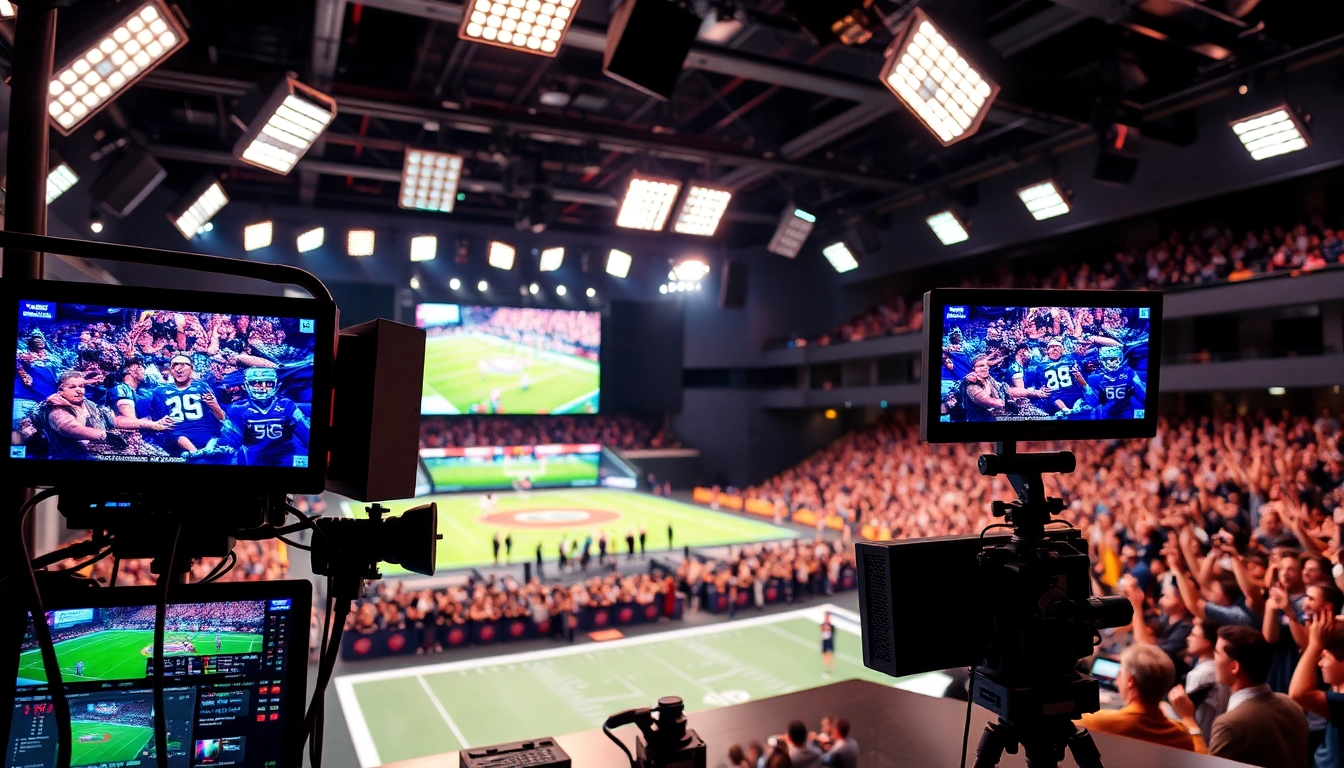
At its core, sports broadcasting is the art of transmitting live sports events and related content to a viewing audience, utilizing various platforms, ranging from traditional television networks to digital streaming services. This industry plays a critical role in how fans experience sports, enabling them to connect with their favorite teams and athletes. For those interested in delving deeper into this engaging field, knowledge about the foundational aspects is essential. Understanding these fundamentals can enhance not just the quality of broadcasts, but also viewer satisfaction. By exploring Sports Broadcasting, you can uncover the multifaceted elements that contribute to thrilling sports experiences.
Key Terminology in Sports Broadcasting
To grasp the nuances of sports broadcasting, it's important to become familiar with the key terms frequently used within the industry. Here are some of the most crucial terminologies:
- Play-by-Play: The real-time narration of events during a game.
- Color Commentary: Additional insights provided by analysts or former athletes during a broadcast.
- Obstruction: Any interference in the transmission of a broadcast signal.
- Cutaway: A brief video segment that interrupts the main coverage, often to provide additional context or highlight stories.
- Live Ticker: A scrolling text display that provides real-time updates and scores during a broadcast.
- Distribution: The method by which content is delivered to audiences, including cable, satellite, or online streaming.
Types of Sports Broadcasting Networks
Sports broadcasting networks can be categorized into several types, each serving different audience needs and preferences:
- National Networks: These include major television networks that broadcast a range of sports to a nationwide audience, like NFL or NBA games.
- Regional Sports Networks (RSNs): Focused on local or regional teams, RSNs offer more localized content and often cover games that national networks do not.
- Streaming Services: Platforms such as ESPN+, YouTube TV, and others provide on-demand sports content, appealing to a younger demographic that prefers flexibility.
- Public Broadcasting: Non-commercial networks that provide coverage of specific events, typically without advertisements, funded by donations or tax revenues.
- Over-the-Top (OTT) Services: Services that deliver streaming content directly to consumers over the internet, bypassing traditional cable or satellite systems.
The Evolution of Sports Broadcasting
The history of sports broadcasting is a fascinating journey marked by innovation and growth. Initially, sports coverage was limited to print media and radio broadcasts. The advent of television in the mid-20th century revolutionized how audiences experienced live sports, bringing the action directly into homes across the nation. Subsequent advancements in technology, such as high-definition broadcasting and digital streaming, have further expanded access to sports content, now enabling viewers to watch events on various devices, including smartphones and tablets. As we move forward, the blending of virtual reality (VR) and augmented reality (AR) into sports broadcasting promises to create even more immersive experiences, allowing fans to feel as though they are part of the action.
Essential Equipment for Effective Sports Broadcasting
A successful sports broadcast relies heavily on the use of advanced technology and equipment. From cameras to software, each component plays a vital role in delivering high-quality content to viewers.
Cameras and Sound Equipment
The backbone of any broadcast is its visual and audio quality. High-definition cameras are essential for capturing the fast-paced action of sports. Multi-camera setups allow directors to switch views and choose the best angles for optimal storytelling. Additionally, sound equipment, including boom mics and lavalier mics for commentators, ensures that commentary and on-field sounds reach audiences clearly and without distortion.
Broadcast Software and Tools
Advanced software tools are crucial for integrating graphics, managing live feeds, and enhancing the viewer experience. Commonly used broadcast tools include:
- Production Control Systems: Manage multiple video sources and audio inputs seamlessly.
- Graphics Packages: Create graphics for scoreboards, player statistics, and on-screen displays.
- Replay Systems: Allow viewers to see key moments repeatedly in slow motion or from different angles.
These elements work in harmony to ensure a polished and engaging viewing experience.
Studio Setup for Sports Broadcasting
A well-designed broadcasting studio is vital for delivering high-quality sports coverage. The setup should include:
- Studio Space: Enough room to accommodate cameras, lighting, and personnel while allowing for dynamic movement.
- Lighting: Proper lighting arrangements enhance the visual quality of the broadcast, ensuring clarity regardless of the time of day.
- Control Room: Where the technical team operates equipment, switches feeds, and ensures everything runs smoothly.
The studio setup is critical in creating an environment conducive to high-quality productions.
Techniques to Enhance Sports Broadcasting Quality
To improve viewer satisfaction through compelling broadcasts, several techniques can be adopted:
Utilizing Commentators and Analysts
Effective use of commentators enhances the storytelling aspect of sports broadcasts. They provide color commentary and technical analysis that inform and engage viewers. Selecting commentators with charisma, a deep understanding of the sport, and a knack for storytelling can significantly enhance the viewer experience. Additionally, interviews with analysts can provide deeper insights into player performance, strategies, and game dynamics.
Live Coverage Techniques
Engaging viewers during live events requires a keen focus on timing and presentation. Key techniques include:
- Real-Time Updates: Providing live score updates, player stats, and event timelines keep viewers engaged.
- Fan Interaction: Encouraging viewers to submit questions and comments during the broadcast helps personalize the experience.
- Behind-the-Scenes Content: Offering glimpses of warm-ups or post-match interviews adds depth to the coverage.
These strategies foster a sense of connection between the broadcast and its audience.
Engaging Viewers During Broadcasts
In a competitive landscape, maintaining viewer interest is crucial. Techniques to achieve this include:
- Interactive Graphics: Incorporating real-time social media feeds, polls, and quizzes keeps the audience engaged.
- Storytelling: Creating narratives around athletes, teams, or rivalries enhances emotional investment.
- Highlight Packages: Showcasing key moments during halftime or timeouts appeals to viewers who may have missed the action.
These interactive elements can transform passive viewing into an active and engaging experience.
Challenges in Sports Broadcasting and Solutions
While sports broadcasting is exciting, it also faces unique challenges that require strategic solutions.
Technical Difficulties and Resolution Protocols
Technical glitches are an unfortunate reality in sports broadcasting. Common issues may include equipment malfunctions, poor signal quality, or software crashes. To mitigate these potential setbacks, broadcasting teams should:
- Conduct Regular Equipment Checks: Frequent inspections of all equipment can help preemptively identify issues.
- Have Backup Plans: Establishing contingency strategies ensures a seamless transition during technical difficulties.
- Training and Drills: Regular training for broadcast teams on software and equipment can help reduce error rates during live broadcasts.
This proactive approach minimizes the impact of unforeseen technical problems.
Audience Engagement Drop-off
In an age of distraction, keeping viewer attention is a challenge. While high-quality content is crucial, enhancing interaction is equally important. Solutions include:
- Enhanced Personalization: Tailoring content to specific demographics can create a more relevant viewing experience.
- Interactive Features: Incorporating gamification such as fantasy sports elements can enhance engagement.
- Feedback Loops: Analyzing viewer feedback through surveys allows teams to adapt offerings based on audience preferences.
These strategies help sustain viewer interest throughout broadcasts.
Maintaining Broadcast Ethics
Ethical broadcasting is paramount to maintain credibility. Issues such as bias, misrepresentation, or violation of privacy can erode trust. Broadcasting teams should:
- Implement Strict Guidelines: Establish clear broadcasting guidelines focused on maintaining impartiality and fairness.
- Transparency: Engaging openly with audiences about decisions enhances trust.
- Acknowledge Mistakes: Promptly addressing and correcting errors demonstrates accountability.
Upholding these ethical standards ensures a reputable broadcasting practice.
The Future of Sports Broadcasting
As technology evolves, so too does the landscape of sports broadcasting. Emerging trends hint at transformative changes that will redefine the viewer experience.
Impact of Technology on Sports Broadcasting
Technological advancements are reshaping how sports are consumed. Innovations such as 5G technology will enhance streaming quality, ensuring that live broadcasts are more stable and accessible than ever. Additionally, the integration of AI and machine learning into analytics offers broadcasters detailed insights about viewer behavior, allowing them to create more engaging content. Virtual reality (VR) will also redefine the spectator experience, enabling fans to immerse themselves in the sporting action like never before.
Trends in Viewer Consumption
Trends indicate a shift in how audiences consume sports. With the rise in popularity of mobile streaming and social media platforms, there’s a growing demand for bite-sized content. Broadcasters must adapt to these preferences by creating shorter highlights and utilizing platforms like Instagram and TikTok to reach younger audiences. Furthermore, viewers today value authenticity and connection, with many seeking interactive and behind-the-scenes experiences.
Opportunities for Innovation
The future holds vast potential for innovation in sports broadcasting. As fan engagement evolves, opportunities arise for broadcasters to experiment with formats, distribution methods, and viewer interactions. Embracing AR and mixed-reality elements can create unique viewing experiences, while engaging storytelling can tailor content to diverse viewer groups. Collaborations with tech companies may also lead to breakthroughs in production quality and audience reach. By investing in these innovations, broadcasters can remain competitive in an ever-changing landscape.
Frequently Asked Questions
What does sports broadcasting involve?
Sports broadcasting involves transmitting live sports events and related content via television, radio, or online streaming platforms, providing commentary and analysis for viewers.
What equipment is necessary for sports broadcasting?
Essential equipment includes high-definition cameras, audio gear, broadcast software, and a well-equipped studio setup to ensure quality transmissions.
How can sports broadcasts engage viewers effectively?
Engagement can be improved through interactive features, storytelling, and real-time updates that encourage audience participation and keep interest high.
What are common challenges in sports broadcasting?
Common challenges include technical difficulties, audience engagement drop-off, and maintaining ethical standards during broadcasts.
What is the future of sports broadcasting?
The future will likely see enhanced integration of technology like VR, AI-driven analytics, and evolving viewer habits, focusing on interactive and personalized content.