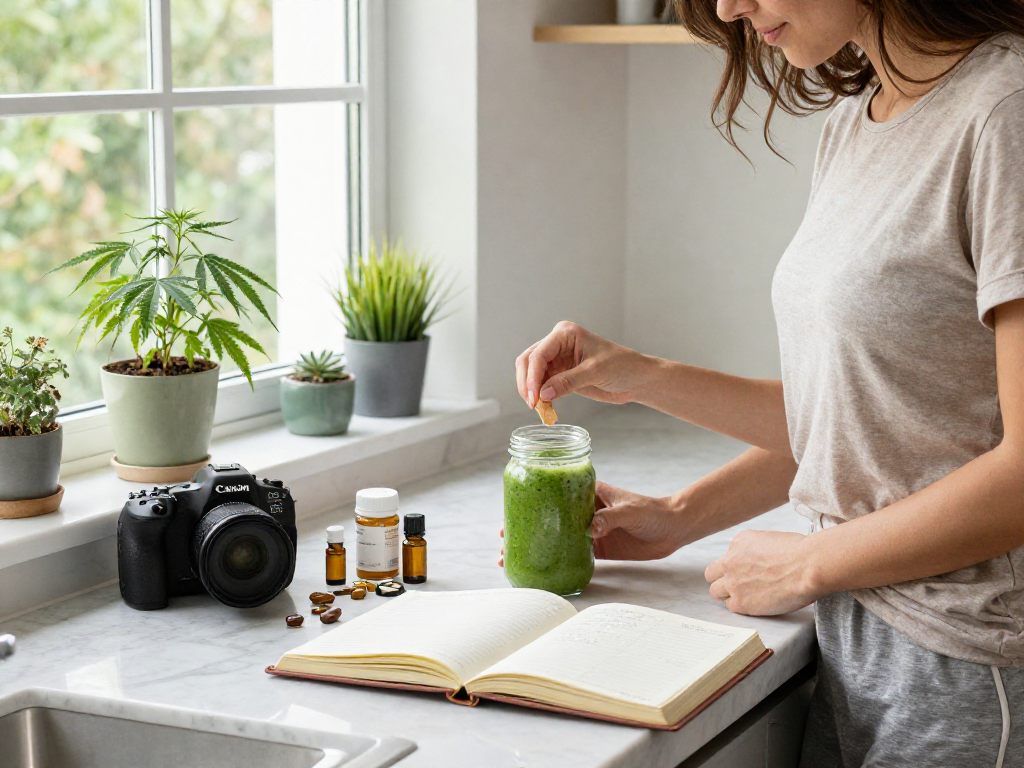
Understanding CBD Edibles: What You Need to Know
Cannabidiol (CBD) edibles have become increasingly popular in the wellness industry, recognized for their convenience and the therapeutic benefits they may provide. Unlike other forms of CBD, such as oils and tinctures, edibles present a tasty way to incorporate this compound into one’s daily routine. They provide a more discreet means of consumption and can be enjoyed at any time of day. However, understanding the effects and proper usage of CBD edibles is essential for maximizing their wellness benefits and ensuring safety. When exploring options, cbd edibles provide comprehensive insights into the various choices available.
What Are CBD Edibles?
CBD edibles are food products infused with cannabidiol, a non-intoxicating compound found in hemp and cannabis plants. These edibles come in various forms, including gummies, chocolate bars, beverages, and baked goods. They are designed to deliver the therapeutic benefits of CBD while providing a tasty alternative to oils or capsules. Upon ingestion, CBD is metabolized by the liver, where it interacts with the endocannabinoid system (ECS) to potentially promote various wellness benefits.
Benefits of Using CBD Edibles for Wellness
- Convenient Dosing: Edibles provide a controlled amount of CBD per serving, allowing users to easily manage their intake.
- Long-Lasting Effects: The effects of CBD edibles typically last longer than other forms, potentially providing relief for a sustained period of time.
- Discreet Consumption: Edibles can be consumed anywhere without drawing attention, making them an excellent choice for on-the-go wellness.
- Taste and Variety: With various flavors and types available, users can enjoy a more pleasant experience compared to the taste of oils or capsules.
Types of CBD Edibles Available
CBD edibles can be categorized into several types, including:
- Gummies: These chewy, flavorful treats are among the most popular forms of CBD edibles.
- Chocolate and Baked Goods: Options like brownies and cookies contain CBD, offering a delicious way to consume the compound.
- Beverages: CBD-infused drinks provide hydration along with the potential benefits of cannabinoids.
- Capsules and Softgels: While technically not "edibles" in the traditional sense, they are consumable forms of CBD designed for easy swallowing and precise dosage.
Dosage Guidelines for CBD Edibles
Calculating the appropriate dosage of CBD edibles involves several factors, including body weight, individual tolerance, and desired effects. For new users, it’s crucial to adhere to the principle of “start low and go slow.”
How to Calculate Your Ideal CBD Edible Dosage
A useful starting point is to begin with a dose of 5-10 mg of CBD per serving. After assessing how your body responds, you can gradually increase the dose as needed. Each person metabolizes CBD differently, so paying attention to your body is vital.
Common Dosing Mistakes to Avoid
Sticking to recommended dosages is essential to avoid adverse effects. Common mistakes include:
- Taking too much too soon due to impatience for effects.
- Ignoring the time needed for the edible to take effect, leading to overconsumption.
- Failing to consider other factors such as weight and metabolism.
Monitoring Effects After Consumption
After consuming a CBD edible, results may not be felt for about 30 minutes to 2 hours, depending on various factors such as metabolism and food intake. It's advisable not to consume more product until at least two hours have passed to assess the initial dosage's effectiveness accurately.
Quality and Safety Considerations
Importance of Third-Party Testing
When choosing CBD edibles, ensure they have undergone third-party testing. This independent verification process assesses the product's quality, potency, and safety, providing peace of mind to consumers.
How to Read Certificates of Analysis
Certificates of Analysis (COAs) are crucial for understanding what is in your CBD edibles. A COA should detail the cannabinoid content, confirming that the product contains the stated amount of CBD, and identify any potential contaminants.
Identifying Quality CBD Edibles on the Market
To determine the quality of CBD edibles, look for products with the following:
- Clear labeling and accurate ingredient lists.
- COAs indicating third-party testing for potency and contaminants.
- Hemp sourced from reputable farms that adhere to sustainable practices.
Legal Considerations for CBD Edibles in 2026
The legal landscape surrounding CBD edibles continues to evolve. It’s essential to stay informed about regulations that may affect your access to these products.
Current Legal Status of CBD Edibles
As of 2026, the 2018 Farm Bill has legalized hemp-derived CBD products that contain less than 0.3% THC federally. However, individual states may impose their own restrictions on the sale and consumption of CBD edibles.
Understanding THC Limits in Edibles
It is essential to be aware of THC content in CBD edibles, especially for those who may be subjected to drug testing. The federal limit is set at 0.3% THC, which ensures non-intoxicating levels in legal CBD products.
Navigating State Regulations on CBD Use
Always consult local laws regarding CBD edibles, as variations exist. Some states have more lenient laws, while others maintain restrictions that may limit availability and use.
Potential Side Effects and Interactions
While CBD is generally well-tolerated, it is not without potential side effects. Understanding these can help users make informed decisions.
Common Side Effects of CBD Edibles
- Drowsiness: Some people may experience sedation, especially at higher doses.
- Dry Mouth: CBD can affect saliva production, leading to a sensation of dryness.
- Gastrointestinal Changes: Edibles can sometimes cause upset stomach or changes in appetite.
Potential Drug Interactions to Be Aware Of
CBD can interact with various medications. Notably, it may influence blood thinners and medications metabolized by the liver. Always consult with a healthcare provider before adding CBD edibles to your regimen, particularly if you are on other medications.
When to Consult a Healthcare Provider
If you experience adverse effects or are unsure about using CBD, consult a healthcare provider. This is especially important for pregnant or breastfeeding women, individuals with severe health issues, or those taking multiple medications.
What Should I Look for in Quality CBD Edibles?
Seek out edibles from reputable brands that provide transparent information on sourcing, production practices, and testing. Comprehensive product information helps ensure you are consuming a safe and effective product.
How Long Do the Effects of CBD Edibles Last?
The duration of effects can vary, but users typically experience an onset between 30 minutes to 2 hours after consumption, with effects lasting anywhere from 4 to 8 hours. Factors such as metabolic rate, weight, and the content of the edible itself can influence these variables.
Are CBD Edibles Safe for Beginners?
Yes, CBD edibles can be safe for beginners. Starting with a low dose, such as 5-10 mg, and gradually increasing based on personal experience is recommended. Users should remain aware of their body’s response and adjust accordingly.
Can I Use CBD Edibles with Other Supplements?
Consult with a healthcare professional before combining CBD edibles with other supplements or medications to avoid potential interactions. It’s essential to ensure all components of your regimen are compatible and safe.
What is the Best Way to Store CBD Edibles?
To maintain potency and prolong shelf life, store CBD edibles in a cool, dry place away from sunlight. Keeping them in their original packaging or sealing them in an airtight container is advisable.