
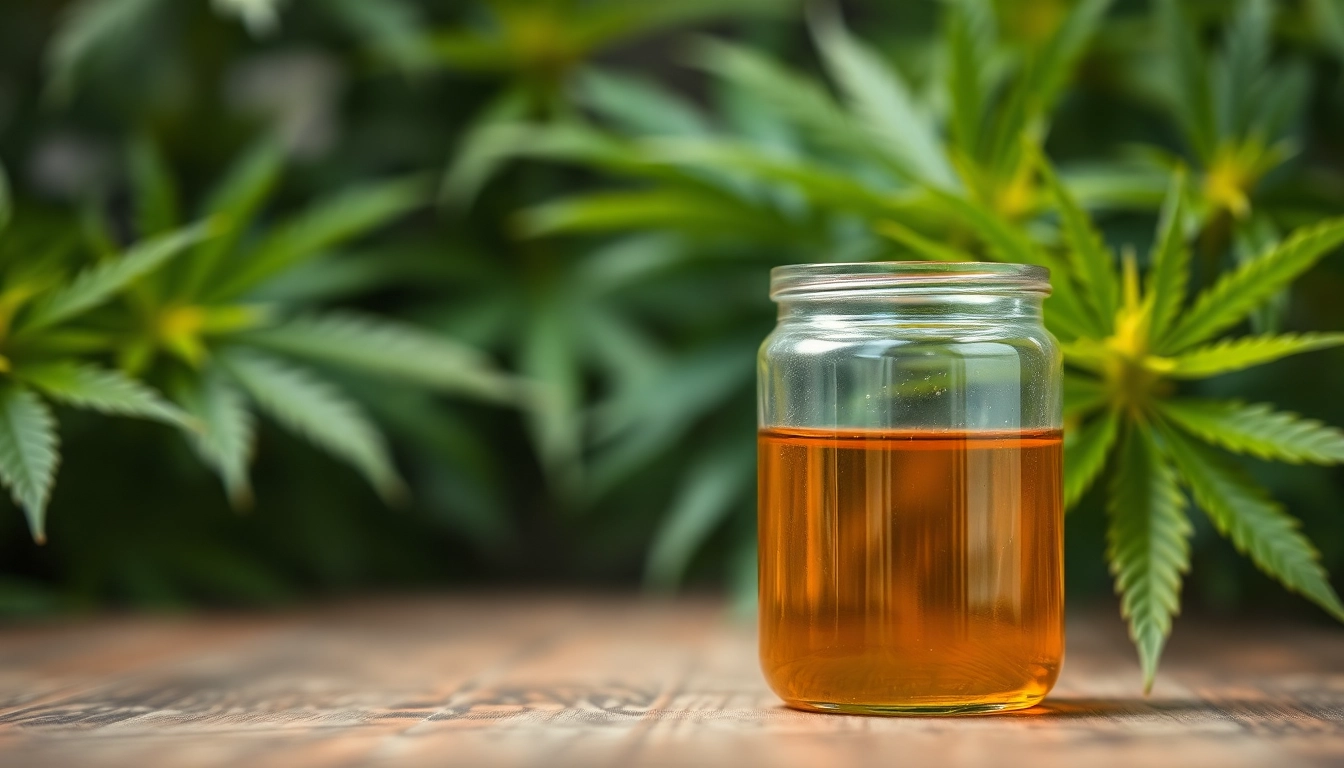
Understanding THC Oil: What You Need to Know
THC oil has gained considerable popularity among cannabis enthusiasts and medical patients alike. For those interested in harnessing the benefits of cannabis without the need for traditional consumption methods like smoking, learning how to make thc oil can be an enlightening experience. This guide will provide a comprehensive overview of THC oil, its ingredients, the extraction process, how to use it, and answers to common questions surrounding its production and effects.
What is THC Oil?
THC oil is a concentrated cannabis extract that contains tetrahydrocannabinol (THC), the primary psychoactive compound in cannabis. It can be derived through several processes from the cannabis plant and is often used for various applications, including recreational enjoyment and medical relief. THC oil delivers the therapeutic benefits of cannabis—such as pain relief, increased appetite, and relaxation—while minimizing some of the downsides of smoking.
Benefits of THC Oil
The therapeutic properties of THC oil can offer numerous benefits. Users report relief from chronic pain, anxiety, and sleep disorders. Additionally, THC has been known to stimulate appetite, making it particularly beneficial for individuals undergoing treatments that reduce hunger. Moreover, its concentrated form allows for controlled dosages, enabling users to tailor their experience based on their individual needs.
Differences Between THC Oil and CBD Oil
While both THC oil and CBD oil come from cannabis, they serve different purposes and induce different effects. THC oil contains psychoactive properties, causing a "high" effect, whereas CBD oil is non-psychoactive and is often preferred for therapeutic use without the euphoric sensations. This distinction plays a crucial role in determining which oil is appropriate depending on the user’s objectives.
Ingredients Required for Making THC Oil
Essential Ingredients and Their Sources
Creating THC oil necessitates few essential components. Undoubtedly, the key ingredient is cannabis itself—specifically, a strain high in THC. Depending on your preference and availability, you can source cannabis from recreational dispensaries or personal cultivation. Additional ingredients can include a carrier oil, such as coconut oil or olive oil, which helps to extract and preserve THC effectively.
Choosing the Right Cannabis Strain
Choosing the right cannabis strain is critical for the effectiveness of your THC oil. Strains can be categorized into three main types: indica, sativa, and hybrid. Indica strains are typically associated with calming effects, while sativa strains tend to produce energizing effects. Hybrids combine characteristics of both. Users should select strains that align with their desired effects—whether seeking relaxation, stimulation, or therapeutic benefits.
Equipment Needed for Extraction
To create your THC oil efficiently, certain equipment is necessary. Key items include: a double boiler or slow cooker for infusion, a fine mesh strainer or cheesecloth for filtering, glass jars for storage, and possibly a grinder to prepare your cannabis. Each piece of equipment aids in ensuring you can create a potent and clean oil extraction.
Step-by-Step Guide on How to Make THC Oil
Preparing the Cannabis
The initial phase of making THC oil is to prepare your cannabis. This involves grinding the buds into a uniform consistency, which enhances the extraction process. Aim for a medium grind, as finely ground cannabis may pass through the filter while coarse pieces may not fully extract their oils. After grinding, decarboxylate your cannabis by heating it in an oven, which activates THC and improves potency.
Infusion Process: Methods Explained
Infusing cannabis into oil can be achieved in several ways, each with distinct benefits. The most common methods include:
- Slow Cooker Method: Combine decarboxylated cannabis and oil in a slow cooker, allowing it to infuse for several hours on low heat, stirring occasionally.
- Double Boiler Method: This method prevents direct heat from damaging cannabinoids by using steam to heat the oil gently.
- Cold Extraction Method: This method uses room temperature and time rather than heat, offering a more delicate extraction, though it may take longer for oils to properly infuse.
Straining and Storing Your THC Oil
After the infusion process has completed (generally 2 to 6 hours), it's time to strain the mixture. Use a fine mesh strainer or cheesecloth to separate the plant material from the oil fully. Allow the cannabis mixture to drip slowly, ensuring maximum oil extraction. Once strained, store your THC oil in a dark, glass container in a cool and dry place to maintain its potency and freshness.
Best Practices for Using THC Oil
Dosage Guidelines for Beginners
When starting with THC oil, caution is essential. Beginners should consider starting with a low dosage, typically around 2.5 to 5 mg of THC. Observing how your body reacts will help determine if you require an increase in dosage. It's essential to wait at least an hour or two after the initial dose before consuming more, as THC oil can take time to exert its effects.
Methods of Consumption
THC oil can be consumed in various ways, depending on personal preference. Common methods include:
- Sublingual Drops: Placing the oil under the tongue allows for rapid absorption into the bloodstream.
- Capsules: Creating THC oil capsules can provide a pre-measured dosage for convenient consumption.
- Cooking and Baking: Incorporating THC oil into food can mask its taste and make it a pleasurable experience.
Safety Tips When Using THC Oil
Safety should always be a priority when using THC oil. Remember these tips:
- Store THC oil out of reach of children and pets.
- Keep track of your dosage to prevent overconsumption.
- Avoid operating vehicles or heavy machinery while under the influence of THC oil.
FAQs About THC Oil Making
What type of cannabis is best for THC oil?
High-THC strains are ideal for THC oil, with indica or sativa types chosen based on desired effects.
How long does THC oil last?
Properly stored, THC oil can last up to six months, though it may retain potency for a year or more if kept in optimal conditions.
Can I use THC oil in cooking?
Yes, THC oil can be used in cooking, but it's vital to use it on low heat to preserve the cannabinoids and avoid losing potency.
Is it legal to make THC oil?
The legality of making THC oil varies by region. Always check local laws regarding cannabis extraction and usage.
What are the effects of consuming THC oil?
Effects may include relaxation, euphoria, increased appetite, and pain relief. Individual responses can vary significantly.