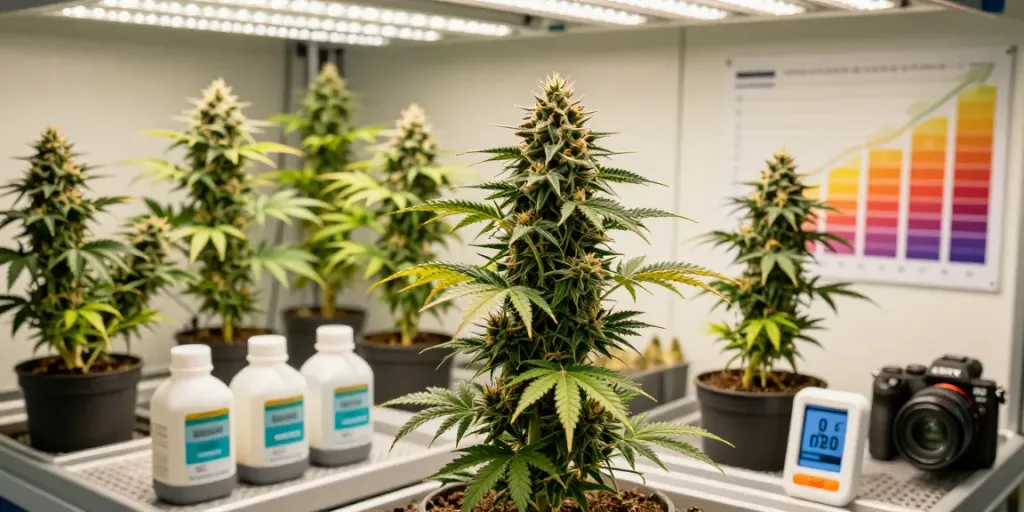
Understanding Triploid Cannabis Genetics
In the rapidly evolving world of cannabis cultivation, the introduction of triploid cannabis seeds represents a significant advancement in genetics. These seeds offer unique advantages for growers seeking to enhance their yields and improve the quality of their crops. As consumers and producers alike become more informed about the different genetics available, understanding the functionalities and benefits of triploid cannabis becomes essential for making informed purchasing decisions. In this comprehensive guide, we will explore triploid cannabis genetics, the science behind them, and how they compare to other seed types. You can find extensive information and options to purchase triploid cannabis genetics online, making it easier than ever to experiment with these innovative seeds.
What Are Triploid Cannabis Seeds?
Triploid cannabis seeds are characterized by having three complete sets of chromosomes, as opposed to the typical two sets found in diploid cannabis seeds. This unique genetic makeup is not simply a marker of fertility or potency; rather, it indicates a distinct breeding category that many cultivators are beginning to explore. Most cannabis plants that growers are familiar with are diploid, meaning they have two sets of chromosomes. However, triploids arise from a hybridization process where a tetraploid parent (with four sets of chromosomes) is crossed with a diploid parent. The offspring may inherit three sets of chromosomes, thus becoming triploid.
The Science Behind Triploid Genetics
The mechanics of triploid genetics can be quite complex. Because triploid plants possess three sets of chromosomes, they typically experience issues related to meiosis—the process by which plants undergo gamete formation. This often results in reduced fertility, which, while it limits seed production upon exposure to pollen, does not equate to a complete absence of seed production. The genetic expression of these plants is influenced by various factors including the specific parent strains, the breeding techniques employed, and the environmental conditions in which they are cultivated.
Comparing Triploid vs. Other Cannabis Seed Types
When distinguishing between triploid, feminized, and autoflower seeds, it is essential to understand that these terms describe different biological traits. Triploid cannabis plants are naturally sterile, making them less susceptible to cross-pollination, while feminized seeds are specifically bred to produce female plants, eliminating male genetics entirely. Autoflower seeds, on the other hand, switch their flowering cycle based on time rather than light conditions. Each strain offers unique advantages and caters to specific cultivation methods and grower preferences.
Advantages of Cultivating Triploid Cannabis
Seedless Crop Insurance and Natural Resistance
One of the most compelling advantages of triploid cannabis is its potential for seedless crop insurance. Due to their genetic composition, triploid plants frequently produce seeds at a much lower rate, providing growers with a harvest that is primarily sinsemilla—meaning they are free of seeds. This characteristic not only enhances the quality of the product but also helps maintain higher market value. Moreover, the natural resistance to pollen allows these plants to thrive without the risk of seed formation caused by accidental pollination.
Enhanced THC and Terpene Levels
Another notable benefit is the potential for enhanced THC and terpene levels. Breeders can focus their efforts on cultivating triploid strains that exhibit desirable aromatic profiles while also maximizing potency. The advanced genetic structure can lead to plants that produce higher concentrations of cannabinoids and terpenes, which contribute to the overall user experience. As a result, growers can leverage these traits to cater to the preferences of a sophisticated consumer base.
Faster Flowering Times for Growers
With the right conditions, triploid cannabis plants may also exhibit faster flowering times compared to their diploid counterparts. This accelerated growth can be a crucial factor for growers looking to optimize their cultivation cycles and maximize the returns on their investment. Faster flowering times afford more flexibility to growers, enabling multiple harvests within a single growing season.
Challenges and Considerations in Triploid Cultivation
Fertility Issues and Pollen Resistance
Despite the advantages, triploid cannabis cultivation does come with its share of challenges, mainly relating to fertility. As previously mentioned, triploid plants often have reduced fertility, which can be a double-edged sword. While it minimizes the risk of unwanted seed production, it can also limit breeding options for growers looking to produce their own seeds. Understanding the reproductive mechanisms of triploids is essential for effective management.
Best Practices for Triploid Seed Germination
Germinating triploid seeds requires specific techniques to ensure optimal growth. Growers should provide a stable environment with controlled humidity and temperature levels. The seeds should be treated gently, as their unique genetic structure can make them more sensitive than standard seeds. Keeping a close eye on moisture levels during the germination process can lead to successful outcomes.
Potential for Cross-Pollination and Its Impacts
Although triploid cannabis plants are less likely to produce viable seeds, the potential for unintended pollination remains a concern. Growers must remain vigilant about neighboring male plants to prevent cross-pollination, which can compromise the quality of the harvest. Isolation of triploid plants is often recommended to ensure the integrity of the crop.
Choosing the Right Triploid Cannabis Strains
Top Strains to Consider for 2026
As the market for triploid cannabis seeds continues to expand, various strains are emerging as frontrunners for 2026 cultivation. Popular varieties include Donutz, Fire OG, Kush Sunset Gelato, and Grape Han Solo Burger, each offering unique flavor profiles and potency levels designed to appeal to growers. When selecting strains, consider the specific traits that align with your cultivation goals.
Evaluating Breeder Reputation and Genetics
It is crucial to research the reputation of breeders when selecting triploid cannabis seeds. Established breeders with a track record of quality will provide genetic information that is transparent and reliable. Understanding the lineage of the seeds can help growers anticipate growth patterns, yields, and potential challenges.
Understanding Aromatic and Cannabinoid Profiles
When assessing potential triploid strains, it's vital to consider the aromatic and cannabinoid profiles. The combination of these factors directly influences the quality of the final product. Growers should focus on strains that not only meet their market demands but also resonate with consumer preferences for flavor and effects.
Future Trends in Cannabis Genetics
Innovations in Triploid Seed Development
The cannabis industry is witnessing rapid advancements in seed development, with ongoing research focusing on triploid genetics. Innovations such as gene editing and hybridization techniques are paving the way for strains that boast improved resilience, higher yields, and enhanced flavor profiles. These advancements can empower growers to achieve their cultivation objectives more effectively.
The Role of Technology in Cannabis Breeding
As technology continues to evolve, the science of cannabis breeding is becoming more sophisticated. Advances in genomic technologies allow breeders to map and manipulate the genetics of cannabis plants with unprecedented precision. This technological integration has the potential to revolutionize how triploid and other cannabis seeds are developed, leading to a new generation of strains with optimized properties.
Anticipated Regulatory Changes in 2026
As we look ahead to 2026, regulatory changes within the cannabis industry may affect the breeding and sale of triploid cannabis seeds. Growers must stay informed about local laws and regulations governing cultivation and breeding practices. Adapting to these changes is critical for successful operations and compliance.
Are triploid cannabis seeds worth it?
Many growers are asking whether investing in triploid cannabis seeds is worth the cost. The answers are nuanced; while these seeds can offer higher yields and superior quality, the challenges of reduced fertility and careful management must be weighed. Ultimately, the decision comes down to the grower's specific goals and growing conditions.
Why are triploids infertile?
Triploids are often considered infertile due to the uneven division of chromosomes during meiosis, making seed formation difficult after fertilization. This inherent biological characteristic leads to a high likelihood of producing seedless crops, which can be advantageous for many growers.
Can triploid plants be cloned?
Cloning triploid cannabis plants is indeed possible, although growers should approach the process with caution. The success of cloning can significantly depend on the genetic makeup of the parent plants and the environmental conditions they are grown in. Cloning is an effective way to reproduce desirable traits found in triploid strains.
Who are the best seed breeders to try in 2026?
Identifying the best seed breeders for triploid cannabis genetics is paramount to achieving successful cultivation. Look for breeders that have established a solid reputation for producing high-quality seeds with consistent traits. Engaging with the cannabis community can provide insights into which breeders are currently making waves in the industry.