Understanding Plastic Injection Molding Machines
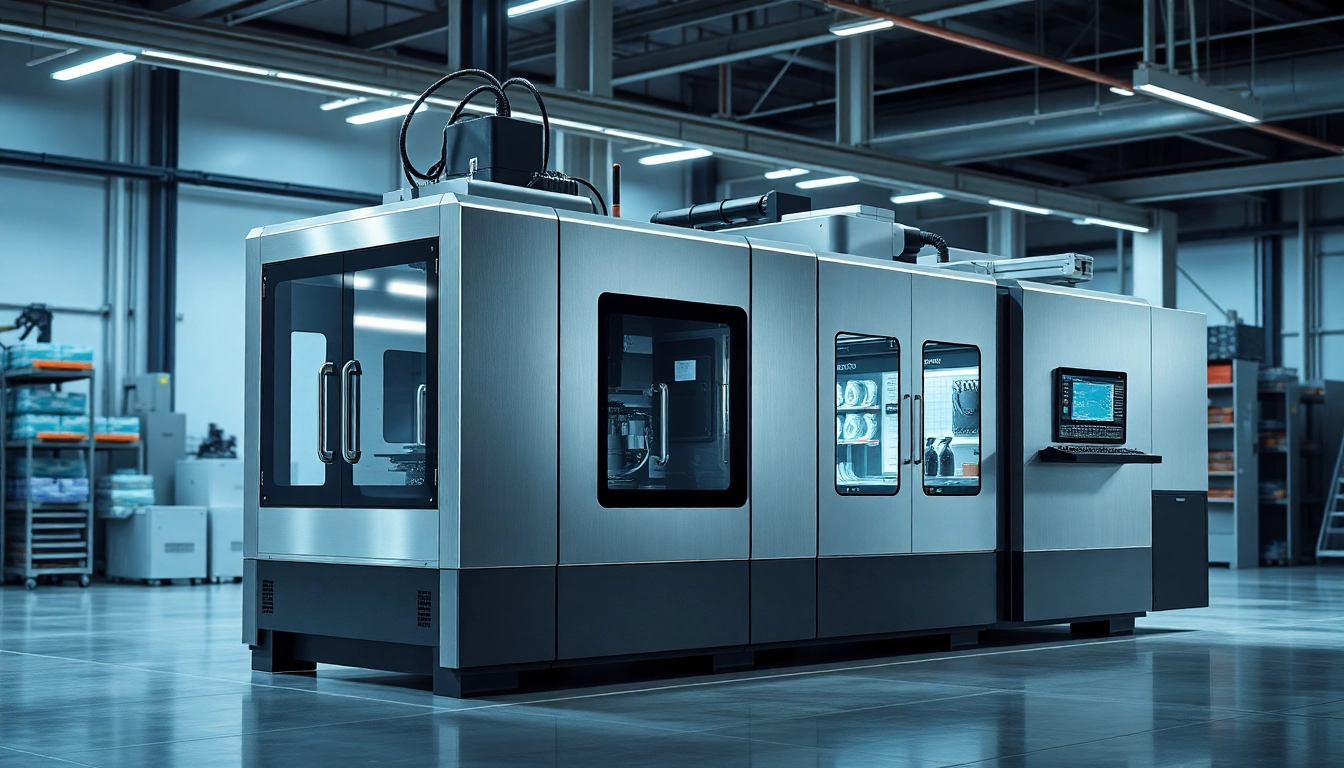
Plastic injection molding machines are essential tools in the manufacturing sector, transforming raw plastic materials into intricate and high-quality products. These machines operate by injecting molten plastic into molds, where it cools and solidifies into the desired shape. The versatility and efficiency of plastic injection molding have made it a preferred choice for producing everything from small components to large industrial parts. As businesses increasingly seek to enhance their production capabilities, understanding the features and types of these machines is paramount. When exploring options, plastic injection molding machines stand out due to their advanced technology and innovative designs.
What is a Plastic Injection Molding Machine?
A plastic injection molding machine, often referred to as an injection press, consists of a hopper, barrel, and injection system. The machine melts plastic pellets and injects the molten resin into a mold cavity under high pressure. Once it cools, the mold opens, and the finished product is ejected. This process allows for the rapid production of complex shapes and high volumes of parts, which is crucial in industries such as automotive, consumer goods, and electronics.
Key Components of Injection Molding Machines
The primary components of injection molding machines include:
- Hopper: Holds the plastic pellets before they are fed into the barrel.
- Barrel: Heats the plastic and conveys it towards the screw.
- Screw: Melts and mixes the plastic material.
- Mold: The section where the molten plastic forms the desired shape.
- Clamping Unit: Holds the mold tightly closed during injection.
Types of Plastic Injection Molding Machines
There are various types of plastic injection molding machines designed for different applications:
- Electric Injection Molding Machines: Utilize electric servomotors for precise control and energy efficiency.
- Hydraulic Injection Molding Machines: Use hydraulic systems to generate power and are often more cost-effective for larger applications.
- Hybrid Injection Molding Machines: Combine hydraulic and electric technologies to leverage the strengths of both systems.
Benefits of Electric Injection Molding Machines
Electric injection molding machines are becoming increasingly popular due to their numerous advantages over traditional hydraulic models. They are particularly beneficial for companies focused on efficiency and sustainability.
Energy Efficiency in Modern Manufacturing
Electric injection molding machines consume significantly less energy compared to their hydraulic counterparts. This is primarily due to their use of electric servomotors, which only draw power when necessary. This reduction in energy consumption not only lowers operational costs but also contributes to more sustainable manufacturing practices.
Precision and Consistency in Production
Electric machines offer superior precision and repeatability. The technology used in these machines allows for finer control over injection speed, pressure, and timing, which results in consistent product quality. This is especially crucial in industries that demand high standards, such as the medical and automotive sectors.
Environmental Impact and Sustainability
The move towards electric injection molding machines aligns with global efforts to reduce carbon footprints and improve manufacturing sustainability. Since these machines produce less energy waste and do not require hydraulic fluids, they contribute to a cleaner production environment.
Topstar TEII Series Features and Advantages
The Topstar TEII series all-electric injection molding machines exemplify modern engineering with their innovative features and design. They cater to a wide range of manufacturing needs while ensuring high performance.
Modular Design for Versatile Applications
The modularity of the TEII series allows for customization based on specific production requirements. This adaptability ensures that manufacturers can efficiently modify their machines to accommodate various mold designs and sizes.
High-Rigidity Templates for Enhanced Stability
One of the standout features of the TEII series is its high-rigidity clamping unit. This design stabilizes the product during molding and protects the integrity of the mold, leading to higher quality finishes and reduced waste.
User-Friendly Interface for Improved Operation
The TEII series features a humanized interactive interface that simplifies machine operation. This intuitive design reduces training time for operators and enhances overall productivity.
Challenges in Selecting a Plastic Injection Molding Machine
While selecting the right injection molding machine can bring significant benefits, several challenges may arise during the decision-making process.
Identifying the Right Machine for Your Needs
With numerous options available on the market, identifying a machine that meets specific production needs can be daunting. Factors such as production volume, material types, and complexity of parts must all be considered.
Common Misconceptions about Injection Molding Technology
Many companies mistakenly believe that all injection molding machines offer similar performance. In reality, differences in design, technology, and energy efficiency can lead to vastly different outcomes in production capability and cost-effectiveness.
Assessing Long-Term Investment and ROI
Investing in an injection molding machine is a significant commitment, and businesses must carefully evaluate the return on investment. This assessment should include not only the initial purchase price but also operational costs, maintenance, and the potential for increased productivity over time.
Future Trends in Injection Molding Technology for 2025
The landscape of injection molding technology is constantly evolving, and several emerging trends are expected to shape the industry in the coming years.
Emerging Innovations in Injection Molding Processes
Innovations such as advanced materials, smart manufacturing technologies, and data analytics are increasingly being integrated into injection molding processes. These technologies promise to enhance production speed, quality, and flexibility.
Advanced Automation and Robotics in Manufacturing
The integration of robotics and automation into injection molding is set to increase efficiency significantly. Automated systems can streamline production processes, reduce labor costs, and improve product consistency.
Predictions for the Next Decade in Injection Molding
Looking ahead, the injection molding industry is likely to see a greater emphasis on sustainable practices, with a continued focus on reducing waste, energy consumption, and the environmental impact of production processes. As technology advances, manufacturers will be better positioned to meet the demands of a rapidly changing market.