
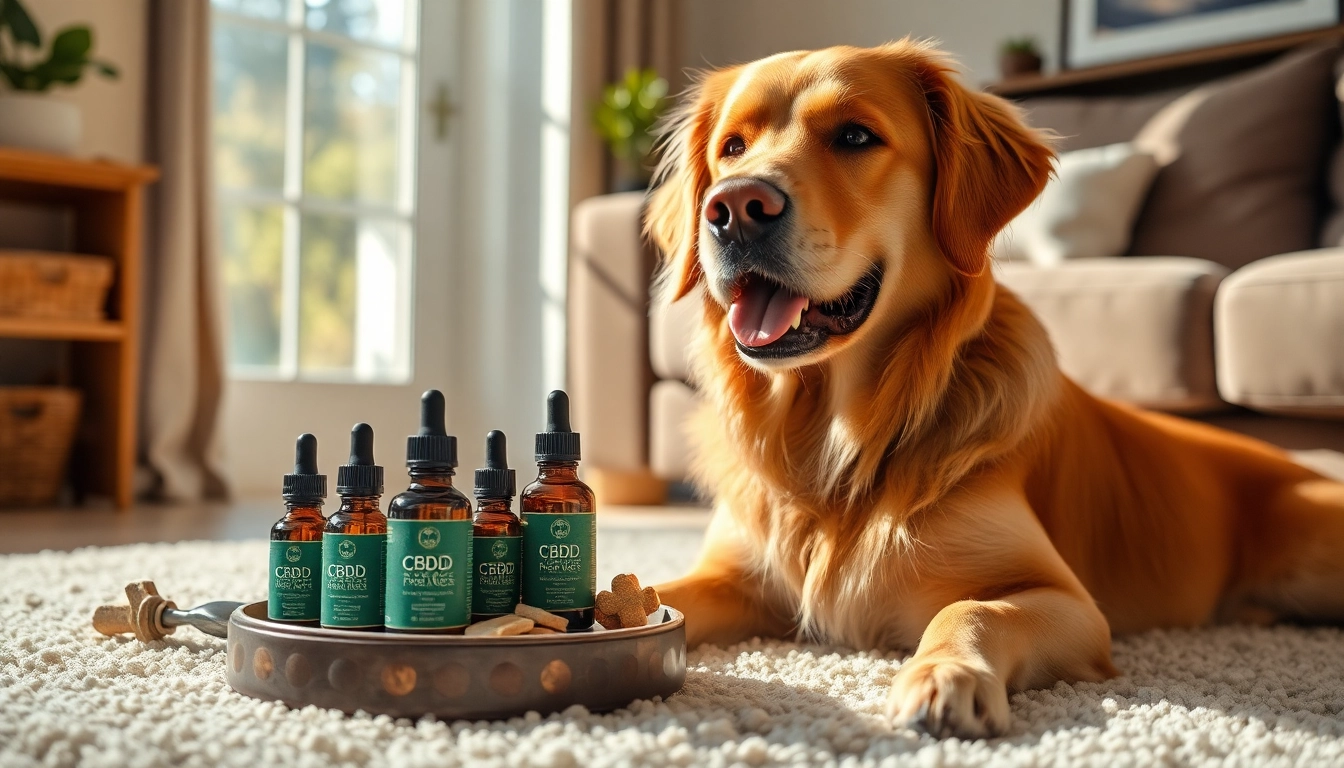
Introduction to CBD For Pet
Cannabidiol, commonly known as CBD, has gained rapid recognition as a versatile supplement for both humans and pets. Our furry companions often share similar health challenges to us, making the exploration of natural remedies both pertinent and timely. In this guide, we’ll delve deep into the world of CBD For Pet, understanding what it is, how it works, and the myriad benefits it can offer to your pets.
What is CBD and its Benefits for Pets?
CBD is a natural compound derived from the hemp plant, specifically from the Cannabis sativa family. Unlike its more famous counterpart, THC (tetrahydrocannabinol), CBD does not possess psychoactive properties, meaning it won't get your pet “high.” Instead, CBD functions by interacting with the endocannabinoid system (ECS) present in both humans and animals, playing a crucial role in maintaining homeostasis—a state of balance and optimal health.
Pets can experience a variety of ailments that CBD may help alleviate. Some key benefits of CBD for pets include:
- Anxiety Relief: Many pets suffer from anxiety due to separation, loud noises, or other situational stresses. CBD has been shown to reduce anxiety levels, promoting a calmer demeanor.
- Pain and Inflammation Reduction: CBD exhibits anti-inflammatory properties that can assist pets suffering from joint pain and other inflammatory conditions.
- Improved Appetite: Pets going through health challenges often experience a loss of appetite. CBD can stimulate appetite, encouraging them to eat again.
- Support for Seizures: Some studies suggest that CBD may be valuable in managing seizures in pets, offering a natural alternative to traditional medications.
Understanding CBD Types Suitable for Pets
When exploring CBD options for pets, it's essential to know that not all CBD products are created equal. Understanding the different types of CBD available can help you make an informed choice:
- Full-Spectrum CBD: This type contains all cannabinoids, terpenes, and flavonoids from the hemp plant, including trace amounts of THC (below 0.3%). The "entourage effect" of these compounds working together may enhance the benefits.
- Broad-Spectrum CBD: Similar to full-spectrum, but with THC removed. It still provides a wide range of cannabinoids and terpenes, making it a great option for those wanting to avoid THC entirely.
- CBD Isolate: This is the purest form of CBD, containing 99% CBD without any other cannabinoids or terpenes. While effective, it may not offer the combined benefits of other forms.
How CBD For Pet Supports Health and Wellness
Addressing Anxiety and Stress in Pets
Pets, just like humans, can experience anxiety and stress under various circumstances. Loud noises, changes in environment, or even separation from their owner can instigate fear and anxiety in pets. CBD's calming properties can significantly help in these situations. Research indicates that when pets are administered CBD before a stressful event, many exhibit notable reductions in anxiety-related behaviors. Therefore, deploying a CBD regimen during times of heightened anxiety can be an effective strategy for pet owners.
Improving Joint and Mobility Health with CBD
Joint pain and mobility issues are prevalent among aging pets or those with chronic health conditions. CBD has shown promise in easing inflammation and promoting joint health. Studies suggest that regular CBD use may enhance mobility in dogs suffering from arthritis, leading to improved quality of life. As such, CBD could play a vital role in both pain management and mobility support, allowing pets to lead more active lifestyles.
Supporting Overall Wellbeing Through CBD
The potential health benefits of CBD extend beyond managing specific issues. CBD can support overall health and wellbeing in pets by promoting balance in the ECS. From enhancing immune function to maintaining digestive health, this versatile compound stands out as a holistic tool for pet wellness.
Choosing the Right CBD For Pet Products
Understanding Product Labels: What's in CBD For Pet?
As the CBD market continues to expand, it’s vital for pet owners to know how to navigate product labels effectively. Look for products with clear ingredient lists, proper dosage information, and transparency about CBD concentration. Avoid any products that do not provide a Certificate of Analysis (CoA) from a third-party lab, as this document confirms the product’s purity and potency, ensuring it meets safety standards.
Evaluating Quality and Safety in CBD Products
Not all CBD products are created equal; therefore, assessing their quality is crucial. High-quality CBD should be sourced from organically grown hemp, ideally in regions known for sustainable practices. Additionally, products should undergo rigorous testing during production to ensure their safety and efficacy. When evaluating products, consider the following:
- Source of Hemp: Ideally, it should come from reputable farms that prioritize sustainable practices.
- Extraction Methods: CO2 extraction is considered the gold standard, as it preserves the purity and potency of cannabinoids.
- Lab Testing: Look for publicly available CoA to ensure the product’s safety, quality, and potency.
Consulting with Your Veterinarian on CBD Use
Before introducing CBD into your pet's health regimen, it’s imperative to discuss it with your veterinarian. They can provide crucial insight into its compatibility with your pet's current medications, health conditions, and specific needs. A vet's guidance is invaluable in determining appropriate dosages and ensuring a safe and beneficial experience.
How to Safely Administer CBD For Pet
Methods of CBD Administration for Pets
CBD can be administered to pets in various forms, catering to different preferences and needs. The most common methods include:
- Oils and Tinctures: These can be administered directly into your pet's mouth or mixed with food for easier consumption.
- Soft Chews and Treats: These palatable options are often favored by pets, as they combine flavor with therapeutic benefits.
- Topicals: For localized issues such as joint pain, CBD-infused creams or balms can be applied directly onto the affected area.
Determining the Right Dosage
Finding the right dosage of CBD for your pet is crucial. Factors influencing dosage include your pet's weight, health condition, and the specific product's concentration. A general rule of thumb is to start with a low dose and gradually increase it until the desired effects are observed. Keep a journal of your pet’s reactions to different dosages to help guide future adjustments.
Monitoring Your Pet’s Reaction to CBD
Once CBD is introduced into your pet's regimen, monitoring their response is essential. Keep an eye on any changes in behavior, appetite, and overall health. It may take some time to observe noticeable effects, and reactions can vary based on individual sensitivities. If adverse reactions occur, consulting your veterinarian immediately is paramount.
Real-Life Success Stories and Testimonials
Veterinary Insights on CBD For Pet
Numerous veterinarians are beginning to recognize the potential benefits of CBD, citing it as an effective natural remedy for a variety of conditions. Many have reported positive outcomes in patients utilizing CBD for anxiety, pain relief, and improved mobility. These experiences contribute to a growing body of evidence suggesting the therapeutic benefits of CBD.
User Experiences: Transformative Health Benefits
Many pet owners have shared transformative stories about incorporating CBD into their pets' lives. From a dog regaining its vitality after prolonged lethargy to cats showing less aggression and more playfulness, the narratives are both heartwarming and grounded in the potential benefits of CBD. These testimonials underscore the compound's adaptability to various needs.
Future Trends in CBD Use for Pets
The interest in CBD for pets continues to surge, with more research being conducted and new products emerging. As the regulatory landscape evolves, greater transparency and product standardization are expected, benefiting pet owners everywhere. The ongoing studies into CBD's efficacy may open doors for more tailored treatments, paving the way for a bright future in holistic pet care.