
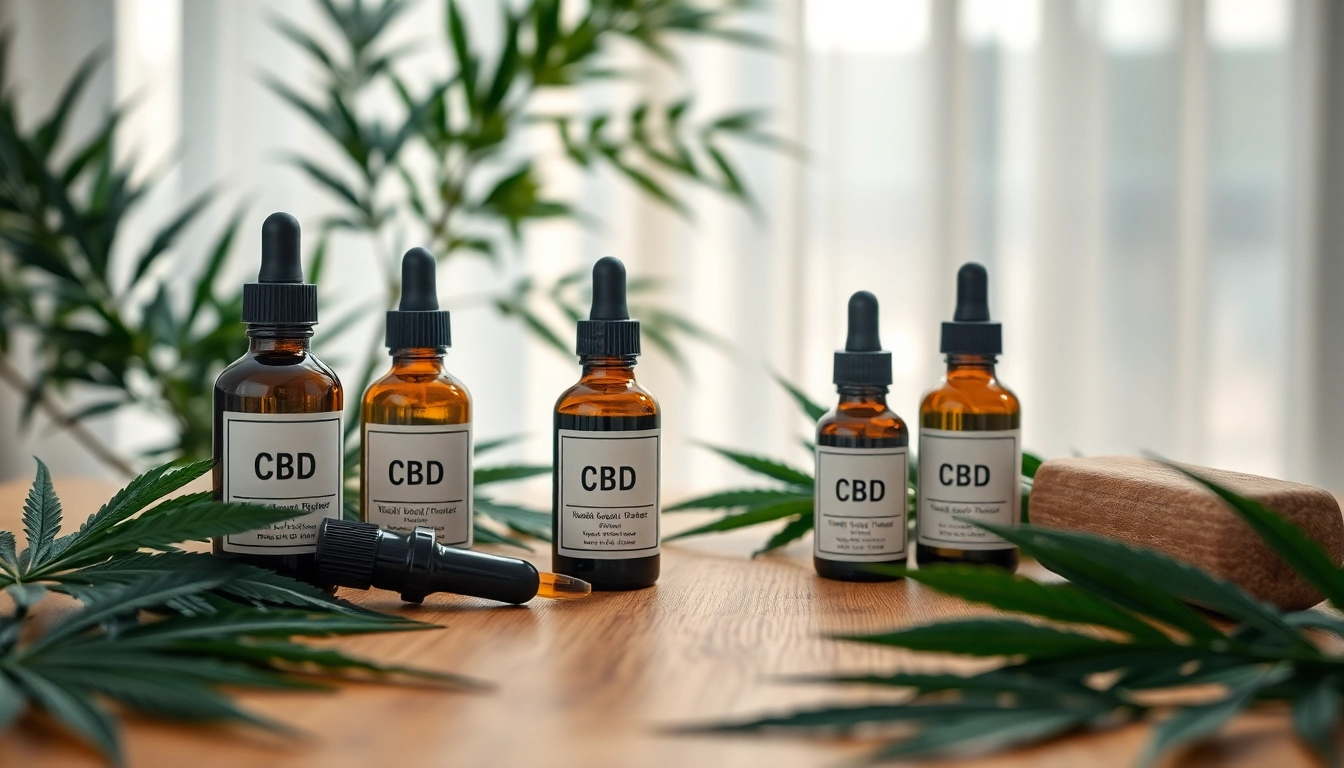
Understanding CBD: What You Need to Know
Cannabidiol, commonly referred to as CBD, is a naturally occurring compound found in the cannabis plant. It is one of over a hundred active compounds known as cannabinoids, and unlike its more famous counterpart THC (tetrahydrocannabinol), it does not produce psychoactive effects. The interest in CBD is not merely a passing trend; it stems from its potential therapeutic benefits and the burgeoning market that offers a wide range of products infused with this compound.
Definition of CBD and Its Origins
CBD is a phytocannabinoid derived from the hemp and marijuana plants. Its extraction can occur through various methods, including CO2 extraction and solvent extraction. CBD is typically associated with the hemp plant, which is a variety of Cannabis sativa designed to produce minimal THC. This distinction is vital as it helps consumers differentiate between hemp-derived CBD products and those that may cause psychoactive effects due to higher THC content.
The compound gained significant attention after the passage of the 2018 Farm Bill, which legalized hemp products containing less than 0.3% THC at the federal level in the United States. As a result, a myriad of products containing CBD began flooding the market, ranging from oils and tinctures to edibles and beauty products.
The Science Behind CBD: How It Works
The human body has an endocannabinoid system (ECS), which plays a crucial role in regulating various functions such as sleep, mood, appetite, and pain sensation. The ECS consists of endocannabinoids, receptors (CB1 and CB2), and enzymes. CBD interacts with this system by influencing receptor activity and potentially enhancing the body’s natural ability to maintain homeostasis.
Research on the mechanisms of action for CBD is ongoing, but preliminary studies suggest that it may promote feelings of relaxation, alleviate anxiety, and reduce inflammation. CBD is known to modulate the activity of 5-HT1A serotonin receptors and vanilloid receptors, which are involved in the regulation of mood and pain perception.
Legal Status of CBD in the U.S.
As legislation surrounding cannabis continues to evolve, the legal status of CBD remains a topic of considerable importance. The 2018 Farm Bill has provided a legal framework that allows for the cultivation, production, and sale of hemp-derived CBD products at the federal level. However, individual states may have their own regulations regarding the sale and use of CBD, which can vary greatly.
It is essential for consumers to be informed about their local laws concerning CBD to avoid legal complications. For instance, some states limit the use of CBD in food or beverages or require specific labeling. As such, checking local regulations is critical for both consumers and businesses operating in the CBD market.
Health Benefits of CBD: Insights and Research
The potential health benefits of CBD have sparked substantial interest among researchers and consumers alike. From anxiety reduction to pain management, many people are exploring the therapeutic possibilities that this compound offers. Below are some of the most researched health benefits of CBD.
CBD for Anxiety and Stress Relief
Among the most promising benefits of CBD is its potential to alleviate anxiety and stress. Numerous studies suggest that CBD can interact with serotonin receptors in the brain, which play a role in mood regulation. For instance, a study published in the Journal of Psychopharmacology found that CBD significantly reduced anxiety in participants during a public speaking test.
Many users report feeling calmer and more focused after taking CBD, making it a popular choice for those struggling with social anxiety, generalized anxiety disorder, and post-traumatic stress disorder. While anecdotal evidence is compelling, further clinical studies are necessary to quantify these effects and establish standardized dosages.
CBD and Pain Management
CBD's anti-inflammatory properties make it a promising option for pain management. Research indicates that CBD may help reduce chronic pain by influencing endocannabinoid receptor activity, mitigating inflammation, and interacting with neurotransmitters. Conditions such as arthritis, multiple sclerosis, and neuropathic pain may see improvement with the use of CBD.
In clinical settings, patients have reported reductions in pain levels and improved mobility after using CBD as part of their pain management strategy. As always, individual responses can vary, and consulting with a healthcare provider is advisable when considering CBD for therapeutic use.
Impact of CBD on Sleep Quality
Adequate sleep is vital for overall health, yet many individuals struggle with insomnia and sleep disturbances. Some research indicates that CBD may help improve sleep quality by addressing the underlying causes such as anxiety and pain. A study published in The Permanente Journal found that CBD improved sleep scores in 66% of participants over a month.
By potentially reducing anxiety levels and supporting relaxation, CBD may help individuals achieve a more restful sleep. However, more extensive studies are needed to determine its efficacy as a sleep aid and the optimal dosages for this purpose.
Different Forms of CBD: A Comparative Analysis
CBD is available in various forms, allowing consumers to choose products that best align with their lifestyles and preferences. Here’s an overview of the most common forms of CBD and their respective benefits.
CBD Oils: Uses and Dosage
CBD oils and tinctures are among the most popular ways to consume CBD. They offer flexibility in dosage, allowing users to tailor their intake to their specific needs. Typically, CBD oil is administered sublingually (under the tongue) for faster absorption and effects. Users can also add CBD oil to food or beverages as a more convenient option.
Dosage recommendations can vary widely based on factors such as individual tolerance, the condition being treated, and concentration of the oil. Starting with a low dose and gradually increasing until desired effects are achieved is often advised. Common dosages range from 10 to 30 milligrams per day, but consulting with a healthcare professional for personalized advice is best.
CBD Edibles: Gummies and More
CBD-infused edibles, particularly gummies, are popular for their ease of use and appealing taste. They offer a discreet way to consume CBD and can be conveniently taken on-the-go. However, the onset of effects may take longer compared to oils due to the digestive process involved.
Dosage in edibles can vary significantly from product to product, so consumers should read labels carefully to understand how much CBD each serving contains. Starting with a single gummy and waiting for effects before consuming more can help establish the right dosage for individual needs.
Topical CBD Products: Creams and Balms
Topical CBD products, such as creams, balms, and patches, offer localized relief for conditions like arthritis, muscle soreness, and skin issues. They work by interacting with cannabinoid receptors in the skin, providing soothing effects without entering the bloodstream, making them appealing for those who prefer not to consume CBD orally.
Application methods vary, but it's generally recommended to apply a small amount and massage it into the affected area. Users should monitor how their skin responds to these products and adjust their use accordingly.
Potential Side Effects and Risks of CBD
While many individuals tolerate CBD well, it is essential to be aware of potential side effects. As with any substance, understanding the risks can help consumers make informed decisions.
Common Side Effects of CBD Use
CBD is generally considered safe but can cause side effects in some individuals. Common side effects may include:
- Dry mouth
- Reduced appetite
- Drowsiness
- Diarrhea
While these side effects are generally mild, they can vary in severity depending on the individual. Users should start with a lower dosage and monitor their responses closely.
Interactions with Other Medications
CBD can interact with other medications, particularly those that come with a grapefruit warning. This interaction occurs because CBD can inhibit the liver enzymes responsible for metabolizing certain drugs, potentially leading to increased effects or toxicity. Notably, medications like blood thinners, antiepileptic drugs, and certain antidepressants may be affected.
Anyone considering CBD, especially those on other medications, should consult with a healthcare provider to consider potential interactions and adjustments needed in medication regimens.
Understanding Dosage and Recommendations
Determining the right dosage of CBD can be challenging due to individual variabilities and a lack of standardized dosing guidelines. Factors such as body weight, the severity of symptoms, the concentration of the product, and personal metabolism all play crucial roles in finding the appropriate dosage.
A common approach is to start with a low dose, such as 10 to 20 mg, and gradually increase until the desired effects are noted. Keeping a journal to record experiences can assist in establishing what works best.
How to Choose Quality CBD Products
With the influx of CBD products on the market, choosing high-quality options is paramount for ensuring safety and efficacy. Here are some key considerations.
Identifying Lab-Tested CBD Products
Third-party lab testing is essential for verifying the quality and potency of CBD products. Consumers should look for brands that provide access to lab test results, often referred to as Certificates of Analysis (COAs). These reports should confirm the product's cannabinoid content, purity levels, and the absence of harmful contaminants such as pesticides, heavy metals, or residual solvents.
Reading Labels: Dosage, Ingredients, and Origin
Taking the time to read product labels can provide critical information about the formulation. Consumers should check for:
- Amount of CBD per serving
- Other ingredients (natural vs. artificial)
- Source of hemp (domestic or international)
- Type of CBD used (full-spectrum, broad-spectrum, or isolate)
This knowledge empowers consumers to select products that align with their health goals and preferences.
Where to Buy CBD: Online vs. Local Stores
The choice between purchasing CBD products online or in-person comes down to convenience and accessibility. Online options typically offer a broader range of products, detailed product information, and customer reviews. Conversely, local stores provide the advantage of immediate availability and the opportunity to ask questions directly to sales staff.
Regardless of the purchasing method, individuals should ensure they are buying from reputable sources known for quality and transparency.