Understanding the MV88 Microphone
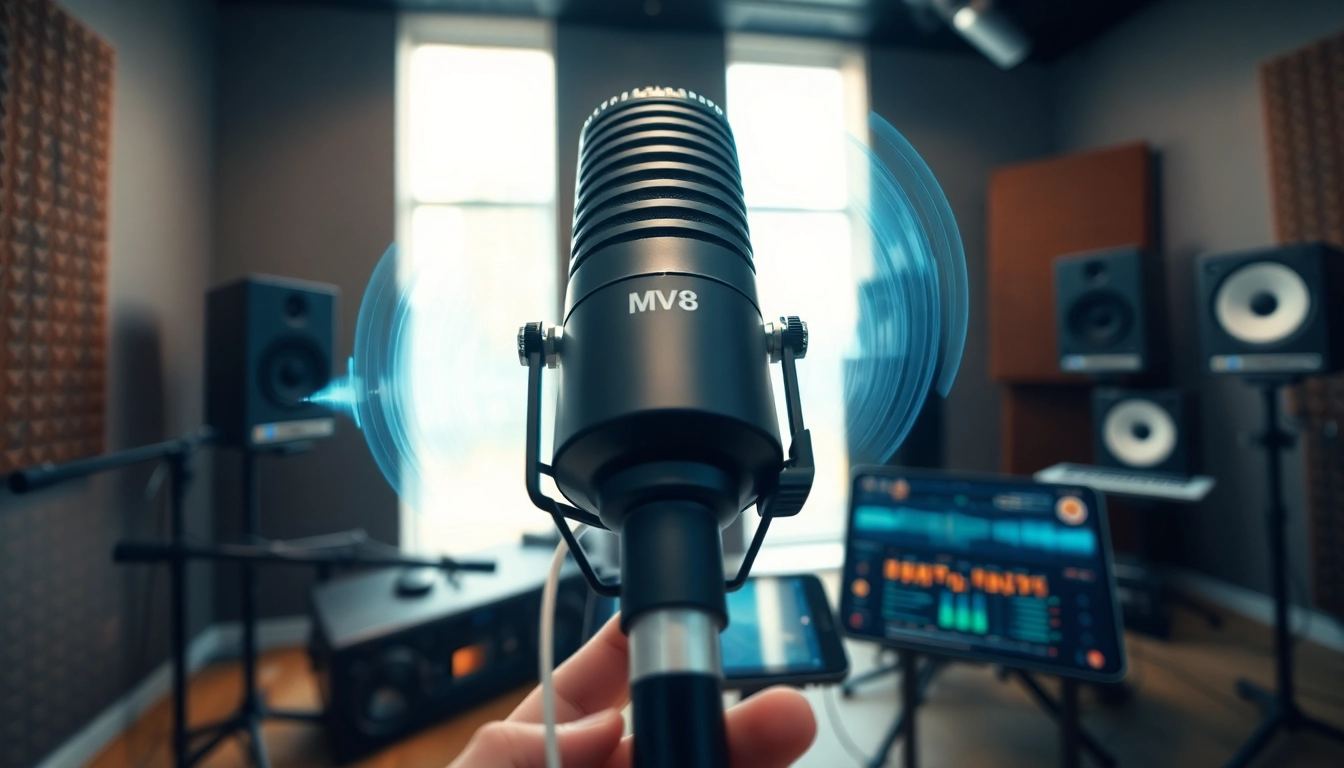
The MV88 microphone stands out in the world of mobile audio recording, offering users an opportunity to capture high-quality sound with ease. Designed specifically for iOS devices, this compact, yet powerful microphone has become a vital tool for musicians, podcasters, and content creators. Its unique features enable it to deliver professional-grade audio, making it an essential accessory for anyone serious about their sound quality. With the right knowledge and techniques, you can unlock the full potential of the MV88 by following expert guidelines and best practices. In this article, we will delve deep into the world of the MV88, exploring its unique characteristics, setup, common mistakes to avoid, and ways to maximize your recording experience in 2025.
What Makes the MV88 Unique?
The Shure MV88 is distinguished by its ability to deliver high-fidelity audio in a small format. Equipped with advanced features such as:
- Mid-Side Stereo Configuration: The microphone utilizes two capsules arranged to create an adjustable stereo image, capturing a richer soundscape.
- Digital Signal Processing: This feature enhances the sound quality, ensuring clarity and precision in recordings.
- Compact and Portable Design: Weighing just a few ounces, it’s easy to carry, making it perfect for on-the-go recording.
These attributes make the MV88 an excellent choice for various environments, from live performances to quiet studio sessions.
Technical Specifications and Features
Diving into the technical aspects, the MV88 boasts impressive specifications:
- Frequency Response: 20 Hz to 20 kHz, capturing a wide range of audio frequencies.
- Connectivity: Directly connects to iOS devices using a Lightning connector.
- Polar Pattern: Mid-side stereo, allowing for flexible recording options.
- Compatibility: Works seamlessly with Shure’s MOTIV app for iOS, giving users extensive control over their recordings.
These specifications ensure that the MV88 delivers outstanding audio performance, making it a reliable choice for professionals and enthusiasts alike.
Common Uses in Professional Settings
In professional environments, the MV88 is used in diverse applications:
- Music Recording: Musicians appreciate its ability to capture detailed sounds, whether in a studio or during live performances.
- Podcasting: Content creators use the MV88 to produce high-quality audio for their shows, enhancing the listening experience.
- Video Production: Filmmakers benefit from its portability and sound quality, integrating it into their setups for clear audio capture.
These uses highlight the microphone’s versatility and reliability across various fields.
Setting Up the MV88 for Optimal Performance
Proper setup is crucial for achieving the best audio quality with the MV88. Below are essential steps to follow for optimal performance:
Connecting MV88 to Your iOS Device
To connect the MV88, simply plug it into the Lightning port of your iOS device. Ensure that the device recognizes the microphone by checking the settings within the Shure MOTIV app. Once connected, you are ready to adjust various settings for your recording session.
Adjusting Settings for Different Environments
The MV88 includes options to adjust stereo width and gain settings, which can vary depending on your recording environment:
- Close-Quarters: Narrow the stereo width and reduce gain to prevent distortion when recording in small spaces.
- Open Environments: Increase the stereo width to capture ambient sounds and a more natural audio landscape.
Experimenting with these settings will help you find the optimal configuration for your specific recording situation.
Utilizing Companion Apps for Enhanced Control
The Shure MOTIV app provides a range of functions that enhance your recording capabilities. Users can:
- Monitor Audio Levels: Keep an eye on your recording levels in real-time.
- Edit Post-Recording: Utilize the app to trim recordings, apply filters, or modify settings to improve sound quality.
By leveraging the app’s features, you can significantly enhance your overall recording experience with the MV88.
Mistakes to Avoid When Using the MV88
While the MV88 is designed for ease of use, there are common pitfalls that users should avoid to ensure high-quality recordings:
Common Setup Errors that Affect Sound Quality
One frequent error is not checking the orientation of the microphone; the front-facing side should be directed towards the sound source for optimal capture. Additionally, neglecting to monitor levels can lead to distorted audio.
Neglecting Maintenance and Care of the Microphone
Regular maintenance is vital. Ensure the microphone is clean and free from dust and debris. Storing it in a protective case can help prevent physical damage.
Misconceptions About Compatibility and Use Cases
Some users may believe the MV88 is limited to music recording, but it is equally effective for voiceovers, interviews, and field recordings. Understanding its versatility is key to maximizing your use of the device.
Maximizing Your Recording Experience with MV88
To fully capitalize on what the MV88 has to offer, consider the following best practices:
Best Practices for Recording Music and Voice
For music recording, use a pop filter to minimize unwanted sounds and position the microphone about 12 inches from the source for an accurate capture. When recording voice, adjust the gain settings to capture nuances without clipping.
Utilizing MV88 in Video Production
In video setups, the MV88 can be mounted on DSLRs or positioned near the subject. Synchronize your audio and video tracks during post-production for a seamless finish.
Expert Tips for Achieving Studio-Quality Sound
To achieve studio-quality sound, employ soundproofing techniques in your recording space. Use acoustic panels to absorb ambient noise and ensure a clean signal path by using quality cables and interfaces.
The Future of Recording with MV88 Technology
As audio technology continues to evolve, the MV88 remains at the forefront, adapting to new trends and innovations. Here are some insights into what the future holds:
Emerging Trends in Audio Equipment for 2025
With the rise of mobile content creation, the demand for compact, high-performance microphones will continue to grow. Innovations in wireless technology and integration with other devices will shape the next generation of audio equipment.
Predictions on Audio Recording Innovations
Expect advancements in AI-driven audio processing, making it easier for users to achieve professional-quality sound without deep technical knowledge. Enhanced connectivity options may also become a standard feature.
How MV88 Stands Out in a Competitive Market
The MV88’s unique combination of portability, sound quality, and user-friendly features ensures it remains a top choice for professionals and amateurs alike. Its adaptability and ongoing updates keep it relevant in an ever-changing landscape.